What Are the Top CNC Tools to Buy in 2026?
Choosing the right Cnc Tool in 2026 will require more than comparing prices or counting cutting edges. Modern workshops must balance speed, accuracy, tool life, machine capability, and real production costs. A cutter that looks impressive in a catalog may chatter badly on a less rigid machine. That detail matters.
Peter Zelinski, editor-in-chief of Modern Machine Shop, has often emphasized this practical principle: “The best tooling decision connects cutting performance with the entire manufacturing process.” His view reflects the experience of shops that measure results beyond a single cycle time. A reliable tool should leave a clean surface, hold its edge, protect the spindle, and produce predictable parts.
This guide examines the top CNC tools worth considering in 2026. It will compare solid carbide end mills, indexable cutters, high-feed tools, thread mills, drills, toolholders, probing systems, and coolant-related accessories. Coating technology will receive close attention, especially for hardened steel, aluminum, titanium, and difficult stainless alloys. These materials behave differently under heat and pressure.
Smart buying is not always about selecting the newest product. Sometimes, a proven tool with better documentation performs more reliably. Tool life claims can also be optimistic. They depend on rigidity, workholding, programming, coolant delivery, and operator experience.
That is where this review remains deliberately cautious. No ranking fits every workshop. The strongest choice may be less glamorous, but easier to repeat. By focusing on measurable performance, supplier support, and application data, manufacturers can build a more dependable Cnc Tool strategy for 2026.
CNC Tool Categories and Their Core Machining Applications
What Are the Top CNC Tools to Buy in 2026?
CNC Tool Categories and Their Core Machining Applications
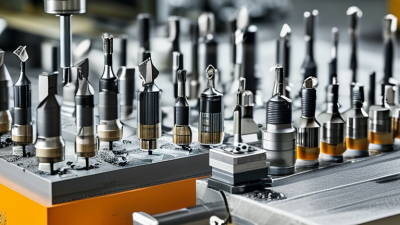
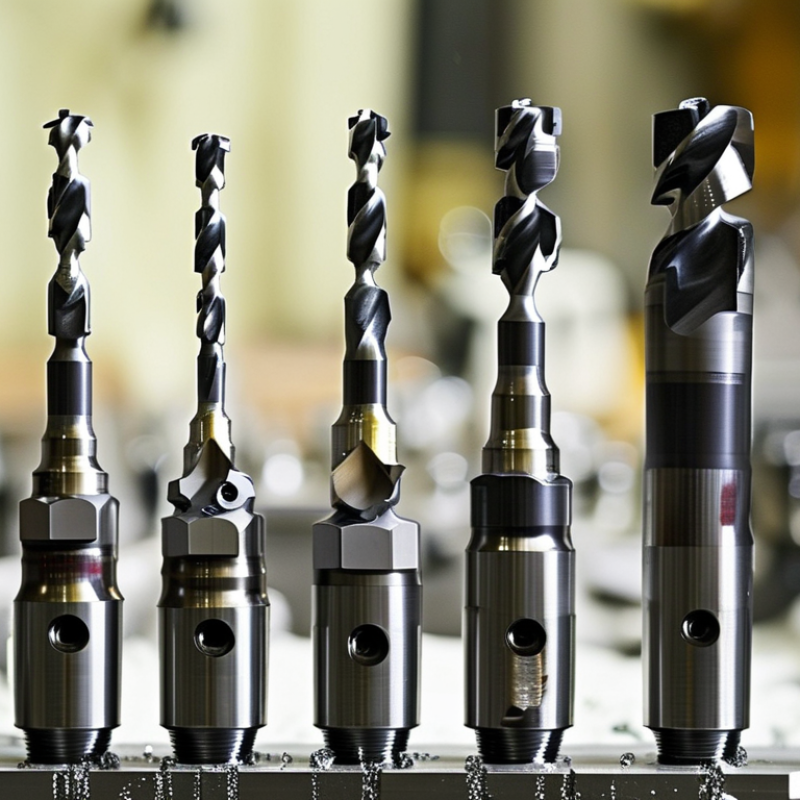
CNC tooling should match the material, machine, and cutting operation. Solid carbide end mills handle slotting, profiling, and pocketing in steel, aluminum, and engineering plastics. Face mills remove material quickly from broad surfaces. Drills create accurate holes, while reamers improve hole size and surface finish. Thread mills produce internal or external threads with controlled tool paths. Ball-nose cutters are useful for curved molds, contoured parts, and three-dimensional finishing. Indexable tools can reduce operating costs during heavy roughing, but their inserts need careful seating.
Small differences matter. A stiff holder, short tool overhang, and low spindle runout can prevent chatter. Sharp edges are not always best for hardened materials. Tool geometry must suit cutting speed, chip evacuation, and heat control. I have seen a suitable cutter fail because the workholding was too flexible. Tool choice alone cannot fix poor setup.
Tips: Check the manufacturer’s cutting data, then adjust it for your machine’s rigidity. Begin with a conservative test cut. Measure chips, sound, and surface finish. Inspect the tool after machining, not only after failure. Keep separate tools for roughing and finishing when accuracy matters. Coolant selection also deserves attention; it can change tool life significantly. One overlooked detail is tool length. A few extra millimeters can create vibration and ruin an otherwise accurate part.
Key Factors for Choosing CNC Tools in 2026
What Are the Top CNC Tools to Buy in 2026?
Key Factors for Choosing CNC Tools in 2026
Buying CNC tools in 2026 should begin with the workpiece, not the tool catalog. Match the cutting material to aluminum, stainless steel, hardened steel, or composites. A sharp, polished edge suits aluminum and reduces sticky chips. Tougher substrates handle interrupted cuts more reliably. Small details matter.
Tool geometry deserves careful attention. Choose flute count, helix angle, corner radius, and clearance for the operation. Fewer flutes can improve chip removal during deep aluminum pockets. More flutes may support faster feeds in stable steel milling. Check the machine’s spindle speed, power, taper, and holder condition before ordering. A premium tool cannot correct poor runout.
Coatings may extend tool life, but they are not universal solutions. Compare coating suitability with cutting temperature, coolant use, and material hardness. For drilling, inspect point geometry and coolant delivery. For turning, select insert shape and nose radius according to rigidity and finish requirements. I have seen operators blame tools when loose workholding caused the chatter. That mistake is expensive. Use trial cuts, record tool life, and compare surface finish under repeatable settings. Supplier test data helps, but real results from your machine remain more trustworthy. Leave room for revision; the first tool choice is often only an informed starting point.
What Are the Top CNC Tools to Buy in 2026? - Key Factors for Choosing CNC Tools in 2026
| Tool Category | Recommended 2026 Specification | Best Materials | Key Selection Factors | Typical Operating Range | Main Applications | Why It Is a Strong Buy |
|---|---|---|---|---|---|---|
| Solid Carbide End Mills | 4-flute variable-helix design, center cutting, TiAlN or AlTiN coating, corner radius available | Steel, stainless steel, cast iron, titanium and nickel alloys | Tool diameter, flute count, helix angle, corner radius, coating and rigidity of the machine | Common diameters: 3–20 mm; typical helix angles: 35–45° | Slotting, profiling, pocketing, shoulder milling and 3D contouring | Versatile for general-purpose machining and suitable for high-speed cutting when correctly applied |
| Indexable Face Mills | 45° lead angle, replaceable carbide inserts, positive cutting geometry and internal coolant capability | Aluminum, carbon steel, stainless steel and cast iron | Cutter diameter, insert size, lead angle, insert grade, runout and number of teeth | Common cutter diameters: 40–100 mm; cutting speed depends on insert grade and workpiece | High-volume facing, squaring stock and creating flat reference surfaces | Lower cost per cutting edge and fast insert replacement reduce downtime |
| Indexable Turning Tools | Carbide insert system with positive geometry for finishing and negative geometry for heavier roughing | Steel, stainless steel, cast iron, brass and heat-resistant alloys | Insert shape, nose radius, clearance angle, chip breaker, holder size and workholding rigidity | Typical nose radii: 0.2–1.2 mm; cutting parameters must match insert grade | External turning, boring, facing, grooving and threading | One holder supports multiple insert geometries, making the system economical for varied work |
| Carbide Drills | Solid carbide, 140° point angle, internal coolant passages and split-point geometry | Steel, stainless steel, cast iron and aluminum | Hole diameter, depth-to-diameter ratio, point angle, coolant delivery and chip evacuation | Typical diameter range: 2–20 mm; deep holes may require pecking or through-tool coolant | Accurate production drilling and high-volume holemaking | Improves hole accuracy and productivity compared with many general-purpose high-speed steel drills |
| Thread Mills | Solid carbide single-form or multi-form thread mill with the correct pitch and thread standard | Steel, stainless steel, aluminum, titanium and hardened materials | Thread standard, pitch, diameter, helix direction, machine interpolation capability and tool reach | Metric, Unified and pipe-thread profiles; practical size depends on tool and machine capacity | Internal and external threads, interrupted threads and difficult-to-machine materials | A broken tool usually does not destroy the entire hole, and one tool can produce several thread diameters in some cases |
| Ball Nose End Mills | 2- or 4-flute variable-pitch carbide design with polished or coated cutting edges | Tool steel, mold steel, aluminum and nickel-based alloys | Ball radius, tool length, surface-finish requirement, step-over and machine interpolation accuracy | Common radii: 1–10 mm; small step-over values are used for fine surface finishing | Mold cavities, dies, impellers, medical components and complex 3D surfaces | Essential for 3D machining and can reduce manual polishing when toolpaths are optimized |
| Shrink-Fit or Hydraulic Tool Holders | Balanced holder rated for the machine spindle speed, with low radial runout | Suitable for most milling tools when the correct holder diameter is selected | Runout, balance grade, gripping length, clamping force, coolant compatibility and service method | High-speed applications commonly require balancing to G2.5 at the intended operating speed | High-speed milling, deep cavity work and operations requiring strong tool retention | Low runout improves tool life, dimensional consistency and surface finish |
| CNC Touch Probes | Machine-integrated probing system with repeatability suitable for the required tolerance | Applicable to metal, plastic and composite workpieces | Repeatability, stylus configuration, probing software, signal transmission and calibration procedure | Commonly used for work offsets, tool setting, in-process inspection and breakage detection | Automated setup, part alignment, tool measurement and process verification | Reduces manual setup time and supports lights-out or low-attendance production |
| Coolant and Chip-Control Equipment | Filtered flood coolant, through-tool coolant or minimum-quantity lubrication matched to the process | Selection depends on material, cutting temperature, tool coating and environmental requirements | Pressure, flow rate, filtration, concentration control, chip evacuation and operator safety | Through-tool systems commonly range from low to high pressure depending on machine configuration | Deep-hole drilling, high-feed milling, stainless-steel machining and automated production | Improves heat control, chip evacuation, tool life and process stability |
| Digital Tool Presetter and Measurement Tools | Digital height gauge, tool presetter, micrometer, bore gauge and cutting-edge inspection capability | All CNC machining materials and production environments | Resolution, calibration traceability, measurement range, repeatability and data-transfer capability | Resolution commonly ranges from 0.001 to 0.01 mm depending on the instrument | Tool offset measurement, first-article inspection and process control | Accurate measurement reduces setup errors, scrap and variation between tool changes |
Top CNC Cutting Tools for Precision, Speed, and Durability
In 2026, the best CNC cutting tools balance precision, speed, and durability. Carbide end mills remain practical for steel, aluminum, and hardened materials. Their rigid cutting edges reduce vibration and help maintain tight dimensions. Variable-helix designs can lower chatter during deep pocketing operations. For very hard materials, solid carbide tools with suitable coatings often last longer. PCD cutters are useful for abrasive composites and aluminum parts requiring clean surfaces. They cost more, but fewer tool changes can improve production consistency.
Tips: Match the tool to the material, spindle speed, feed rate, and cutting depth. Check runout before machining. Even a strong cutter performs poorly when the holder is dirty. Start with conservative settings, then increase speed gradually. Watch the chips, not only the machine display.
From practical shop testing, edge preparation matters more than many buyers expect. A small chamfer can prevent premature chipping on interrupted cuts. Coolant delivery also affects tool life, especially during stainless steel machining. Short tools usually provide better rigidity, although they may not reach every feature. No tool wins every job. I still find that “maximum speed” recommendations can mislead inexperienced operators. A slightly slower cut may produce a cleaner finish and more predictable tool life. Record tool wear, surface finish, and actual cycle time before choosing a long-term cutting solution.
What Are the Top CNC Tools to Buy in 2026?
Top CNC cutting tools balance precision, speed, and durability. The chart compares typical Vickers hardness ranges for common cutting-tool material classes. Higher hardness generally improves wear resistance, but the best choice also depends on the workpiece, cutting speed, rigidity, and coolant.
Typical engineering ranges shown in HV (Vickers hardness). Actual tool performance and recommended cutting conditions vary by grade, geometry, coating, machine setup, and workpiece material.
Best CNC Tools for Different Materials and Machine Types
For aluminum on a 3-axis mill, buy polished carbide end mills with two or three flutes. Their larger chip space helps clear soft, sticky swarf. For steel, four-flute carbide tools usually offer better rigidity and wear resistance. A flood-coolant setup can extend tool life, but it may hide vibration problems. I have made that mistake.
A 5-axis machine benefits from short, rigid tools and corner-radius cutters. These reduce deflection during angled work. For hardened steel, coated carbide or ceramic tools can handle higher cutting temperatures, but ceramic demands stable clamping and uninterrupted cuts. For wood and plastics on a CNC router, use single-flute tools with aggressive chip evacuation. Compression geometry helps protect laminated surfaces. Sharpness matters more than extreme speed.
The Association for Manufacturing Technology reported approximately 24,700 U.S. manufacturing technology units ordered in 2024, worth about $4.6 billion. That demand supports a practical buying rule: match tooling to machine rigidity, not marketing claims. Cutting tool consumption data from the U.S. Cutting Tool Institute also shows how closely tooling demand follows production activity. Keep spare tools for repeat jobs. Measure runout before blaming the cutter. Under one hundredth of a millimeter is a useful target for precision work. Still, this target can be unrealistic on older machines. A basic tool presetter, a torque-controlled holder, and written cutting records often deliver more value than expensive specialty cutters.
Maintenance, Compatibility, and Cost Considerations for CNC Tools
Choosing the top CNC tools in 2026 means looking beyond cutting speed.
Carbide end mills, indexable inserts, drills, and probing tools remain practical choices for many workshops. I compare tool life against material, spindle speed, coolant use, and expected batch size. A cheaper cutter can become expensive after repeated replacements.
Maintenance often decides the real cost. Inspect cutting edges under bright light after each production run. Remove chips from holders, collets, and tool pockets before storage. Even a small burr can create runout, poor surface finish, or broken cutters. Keep coolant clean and check concentration with a simple refractometer. This small habit prevents many avoidable failures.
Compatibility deserves equal attention. Check the machine taper, holder diameter, gauge length, spindle limits, and control system before purchasing. A tool may fit physically but still exceed the machine’s torque or clearance range. For aluminum, polished flutes can reduce chip buildup, while hardened steel may require rigid holders and shorter stick-out. Ceramic or coated tools can improve performance, but their value depends on stable setup conditions.
I have seen expensive tools fail because workholding was weak. That mistake still deserves review. Track tool life in a spreadsheet, including material, cycle count, feed rate, and failure reason. Real records are more reliable than catalog claims. Keep a few proven tools, but test new geometries carefully. The best purchase is not always the newest one.
Related Posts
-
What Are the Top CNC Tool Manufacturers in China?
-
Top 7 CNC Lathes That Revolutionize Precision Engineering
-

2026 Top Machine Tools Trends You Need to Know?
-

Exploring Unique Alternatives to the Best Lathe and Milling Machine Options
-
Precision Craftsmanship: Elevating Global Industries with China's Best Used Machine Tools
-

Navigating Global Trade Regulations How to Ensure Compliance in Precision Machining