China Top Water Quality Monitor Suppliers?
China’s water monitoring market is becoming more demanding, and product claims need closer examination. The WHO and UNICEF Joint Monitoring Programme reported that 2.2 billion people lacked safely managed drinking water in 2022. Reliable measurement is not a luxury. It supports public health, industrial control, and responsible environmental management.
China’s Ministry of Ecology and Environment reported that 89.4% of national surface-water monitoring sections reached Grade I–III quality in 2023. That progress increases the need for dependable instruments. A capable Water Quality Monitor should measure parameters such as pH, dissolved oxygen, turbidity, conductivity, ammonia nitrogen, and chemical oxygen demand. Accuracy matters. So does stable performance beside muddy rivers, treatment tanks, and coastal facilities.
Peter Gleick, co-founder of the Pacific Institute, wrote, “Access to water is a basic human right.” His statement gives this supplier comparison a wider purpose. Equipment should produce defensible data, not merely attractive dashboards. This guide examines China’s leading Water Quality Monitor suppliers through sensor accuracy, calibration support, manufacturing experience, certifications, software integration, and after-sales service. It also considers field realities, including clogged probes, unstable networks, and inconsistent maintenance. Some specifications look impressive, yet they may not reflect long-term operating costs. That deserves honest attention. Supplier rankings can also change as technologies, export conditions, and customer requirements develop. Readers should verify current certificates, test reports, detection limits, and local service coverage before purchasing. The strongest supplier is not always the cheapest one. More importantly, it should help users trust every measurement.
What Are Water Quality Monitors and Why Do They Matter?
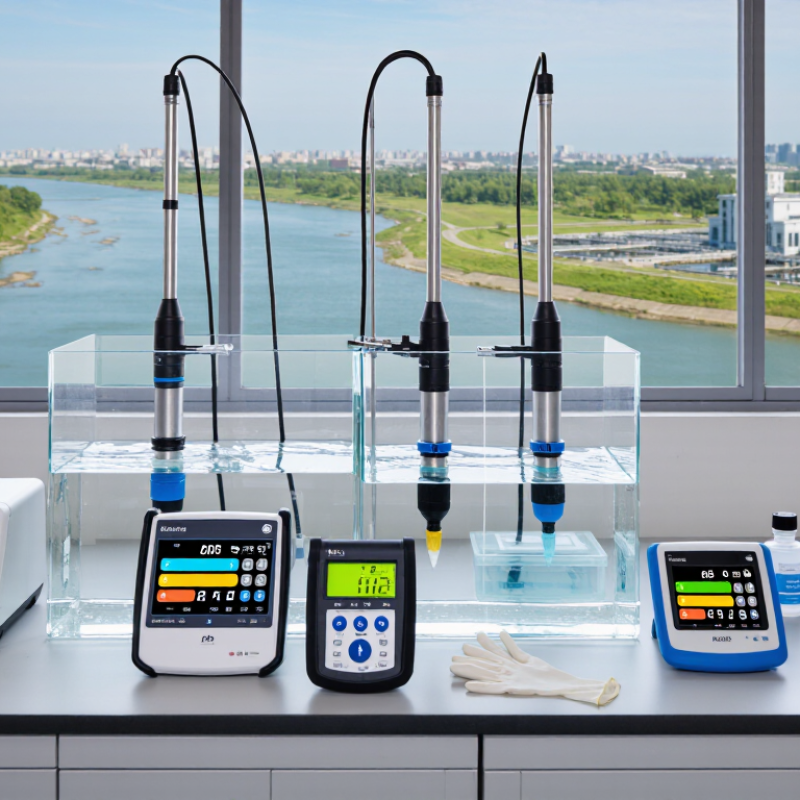
Water quality monitors are instruments that measure conditions in water continuously or during scheduled checks. Common sensors track pH, temperature, dissolved oxygen, turbidity, conductivity, and sometimes nutrient levels. These readings reveal changes that human eyes cannot detect. Clear water can still contain serious chemical or biological risks.
Their value becomes obvious beside a working treatment tank or fish pond. A sudden pH shift may stress aquatic life within hours. Rising turbidity can indicate soil runoff, equipment failure, or poor filtration. Dissolved oxygen readings help operators protect fish and identify stagnant areas. Reliable data supports safer decisions, better maintenance, and more efficient water management.
Choosing a monitor supplier in China requires more than comparing prices. Buyers should examine sensor accuracy, calibration procedures, protection ratings, data storage, and replacement costs. Independent test records matter. So does technical support after installation. A good supplier explains measurement limits instead of promising perfect results. Operators should also ask how the device performs in cold water, muddy water, and long-term outdoor use. No monitor is flawless. Sensors foul, batteries weaken, and readings can drift. Regular calibration remains necessary, even with advanced equipment. That part is easy to overlook.
Which Types of Water Quality Monitors Are Commonly Supplied in China?
China-based water quality monitor suppliers commonly provide portable, online, and laboratory instruments. Portable meters often measure pH, temperature, conductivity, dissolved oxygen, and ORP. They suit field inspections, aquaculture ponds, wastewater checks, and emergency sampling. Online systems continuously track turbidity, residual chlorine, ammonia, nitrate, COD, or TOC in treatment facilities.
Multi-parameter sondes are also widely supplied. They combine several sensors in one waterproof probe, reducing equipment changes during river or reservoir surveys. Basic models usually serve routine checks, while advanced systems support data logging, remote transmission, alarm settings, and automatic cleaning. Sensor selection depends on water chemistry, installation depth, maintenance access, and required response time. A low-cost probe may look attractive, but unstable readings can create expensive decisions.
Tips: Ask for calibration records, detection ranges, IP ratings, and replacement-sensor availability. Test the monitor with certified standards before field use. Keep a written maintenance log. It matters. Some suppliers describe accuracy under ideal laboratory conditions, not muddy water or strong temperature changes. This is where buyers should remain cautious. In practice, even a reliable instrument needs regular calibration, correct sampling, and trained operators. No monitor replaces sound judgment.
| Monitor Type | Primary Parameters | Measurement Principle | Typical Measurement Range | Common Applications | Typical Product Configuration | Key Selection Considerations |
|---|---|---|---|---|---|---|
| Portable Multiparameter Monitor | pH, temperature, dissolved oxygen, conductivity, salinity, ORP | Electrochemical sensors with a handheld display and interchangeable probes | pH: 0–14 Temperature: approximately −5–55 °C Conductivity: commonly up to 200 mS/cm | Rivers, lakes, aquaculture ponds, field inspections, environmental sampling and emergency response | Handheld meter, probe, carrying case, batteries or rechargeable power, calibration accessories | Probe durability, waterproof rating, calibration stability, data storage, GPS or Bluetooth connectivity and battery life |
| Online pH and ORP Monitor | pH, oxidation-reduction potential, temperature | Glass electrode for pH and inert-metal electrode for ORP | pH: 0–14 ORP: commonly −1,500 to +1,500 mV Temperature: commonly 0–100 °C, depending on probe design | Municipal wastewater, industrial wastewater, chemical processing, water treatment and neutralization systems | Sensor, flow-through or immersion assembly, transmitter, relay outputs and communication interface | Automatic temperature compensation, electrode cleaning, chemical compatibility, response time and replacement cost |
| Dissolved Oxygen Monitor | Dissolved oxygen, temperature, sometimes oxygen saturation | Optical luminescence or membrane-covered electrochemical sensing | Commonly 0–20 mg/L Measurement capability may extend above 20 mg/L in pressurized or oxygen-enriched water | Aquaculture, aeration control, biological wastewater treatment, surface-water monitoring and boiler-feedwater assessment | Optical or membrane probe, transmitter, immersion holder and optional cleaning system | Maintenance frequency, membrane or cap replacement, salinity compensation, pressure effects and response time |
| Conductivity and TDS Monitor | Electrical conductivity, total dissolved solids, salinity, temperature | Conductive or inductive conductivity measurement with temperature compensation | Conductivity: from purified-water levels to industrial high-conductivity water TDS: calculated from conductivity using a configurable conversion factor | Reverse osmosis systems, purified water, cooling towers, boiler systems, aquaculture and process-water control | Contacting or toroidal sensor, panel transmitter, inline fitting or submersible assembly | Cell constant, electrode material, flow velocity, temperature compensation and resistance to scaling or fouling |
| Turbidity Monitor | Turbidity, suspended-particle indication, temperature in some models | Optical light scattering, commonly using near-infrared light around the standard turbidity wavelength | Low-range models: approximately 0–100 NTU Process models: often extend to several hundred or several thousand NTU | Drinking-water plants, surface water, filtration systems, wastewater discharge and sediment monitoring | Optical probe or flow cell, light source, detector, wiper and signal transmitter | Bubble rejection, optical fouling control, calibration standards, sample flow stability and color interference |
| Chlorine Monitor | Free chlorine, total chlorine, pH and temperature | Amperometric or colorimetric measurement after controlled sample conditioning | Common free-chlorine ranges include 0–2 mg/L, 0–5 mg/L or 0–20 mg/L Exact range depends on the sensor and application | Drinking-water disinfection, swimming pools, food-processing water and municipal distribution networks | Chlorine sensor, pH compensation, flow cell, reagent system for colorimetric models and controller | pH dependence, flow rate, reagent consumption, calibration interval and resistance to oxidizing chemicals |
| Ammonia Nitrogen Monitor | Ammonia nitrogen, ammonium, pH and temperature | Ion-selective electrode, gas-sensitive electrode or reagent-based optical analysis | Commonly configured from low mg/L levels to tens or hundreds of mg/L Range is selected according to influent or effluent conditions | Municipal wastewater, livestock wastewater, aquaculture, industrial effluent and environmental compliance monitoring | Analyzer, sample pump, filtration or pretreatment unit, calibration solutions and data output module | Interference from potassium and other ions, sample conditioning, reagent use, maintenance and detection limit |
| COD and TOC Analyzer | Chemical oxygen demand, total organic carbon and sometimes dissolved organic carbon | Digestion and photometric analysis for COD, or oxidation followed by carbon dioxide detection for TOC | COD: commonly selected from low hundreds to several thousand mg/L TOC: range varies significantly by analyzer configuration | Industrial wastewater, municipal treatment, chemical production, pulp and paper, pharmaceutical and food-processing plants | Automatic sampler, digestion or oxidation chamber, optical detector, reagent system and controller | Sample filtration, chloride interference, reagent consumption, digestion time, cleaning requirements and operating cost |
| UV254 and UV-Vis Spectral Monitor | UV absorbance, nitrate indication, organic-load trends and spectral fingerprints | Ultraviolet or ultraviolet-visible absorption without, or with limited, chemical reagents | Depends on optical path length and sample matrix Often used for trend monitoring rather than a universal direct concentration result | Drinking-water source monitoring, wastewater process control, industrial pretreatment and early-warning systems | Immersion or flow-through optical probe, automatic wiper, optical window and software interface | Suspended solids, color, optical fouling, calibration model, path length and correlation with laboratory results |
| Heavy-Metal Online Analyzer | Selected metals such as lead, cadmium, copper, chromium, nickel or mercury | Colorimetric, anodic stripping voltammetry, atomic absorption or other laboratory-derived analytical methods | Commonly configured from µg/L to mg/L levels Detection limits and ranges are metal-specific | Electroplating, mining, metallurgy, electronics manufacturing and industrial discharge supervision | Sampling and filtration module, digestion or reagent unit, analytical chamber and communication controller | Matrix interference, digestion requirements, reagent stability, detection limit, calibration frequency and waste handling |
| Automatic Water Quality Monitoring Station | Usually a combination of pH, temperature, dissolved oxygen, conductivity, turbidity, ammonia nitrogen and other selected indicators | Integrated sensor platform with telemetry, data logging and remote supervision | Determined by the individual sensors installed in the station | Rivers, reservoirs, lakes, drinking-water sources, industrial parks and environmental monitoring networks | Monitoring cabinet, multiparameter probes, automatic cleaning, power supply, data logger, cellular or Ethernet communication | Local environmental conditions, telemetry reliability, sensor redundancy, maintenance access, enclosure protection and compliance with project specifications |
How to Identify Leading Chinese Water Quality Monitor Suppliers
China Top Water Quality Monitor Suppliers?
How to Identify Leading Chinese Water Quality Monitor Suppliers
Identifying a leading Chinese water quality monitor supplier requires more than comparing online prices. Look for proven experience in industrial, municipal, or laboratory applications. A reliable supplier should explain sensor accuracy, calibration methods, detection limits, and expected maintenance clearly. Ask for test reports, quality certificates, and recent project references. These documents show whether performance claims are measurable, not just promotional.
Inspect the supplier’s technical process. Can its engineers recommend suitable probes for pH, dissolved oxygen, turbidity, conductivity, or ammonia? Can they explain how temperature, fouling, and water flow affect readings? Strong suppliers usually provide sample testing, installation guidance, training, and responsive after-sales support. Factory audits can reveal assembly standards, spare-parts control, and inspection records. Online communication is useful, but it cannot replace practical verification. I have seen specifications look impressive until field conditions exposed unstable readings.
Tips: Request a sample unit and test it beside a trusted reference instrument. Check results during clean and dirty water conditions. Confirm calibration intervals, warranty terms, data output formats, and replacement probe costs. Review the supplier’s export experience and technical response time. A fast reply is not enough. The answer should be accurate. Also, avoid choosing a supplier only because it offers the lowest quotation. Lower initial costs may hide frequent recalibration, weak documentation, or difficult spare-parts access. Your final decision should balance evidence, lifecycle cost, service capability, and honest technical communication.
How to Identify Leading Chinese Water Quality Monitor Suppliers
This 100-point screening model focuses on the factors that most directly affect water quality monitor performance and long-term procurement value. Buyers should verify calibration records, applicable certifications, measurement ranges, system integration, after-sales support, and delivery capability before selecting a supplier. The percentages are evaluation weights, not market-share data.
What Standards and Certifications Should Buyers Check?
When comparing China’s water quality monitor suppliers, buyers should examine standards before discussing price or delivery time. A polished certificate can still hide weak calibration practices. Request the certificate number, issuing body, scope, and expiration date. Check whether the document covers the exact model and measurement range.
ISO 9001 indicates a controlled quality management system, but it does not prove measurement accuracy. For calibration, look for ISO/IEC 17025 accreditation and traceability to recognized national standards. Ask for recent calibration records, reference solutions, uncertainty data, and test conditions. For electrical safety, IEC 61010 may be relevant, while IEC 61326 addresses electromagnetic compatibility. Outdoor instruments should also show a suitable IP rating.
For drinking-water applications, verify materials that contact water against accepted requirements, such as NSF/ANSI 61 or the applicable local standard. CE marking may matter in relevant markets, but it should not replace technical test reports.
Buyers should also confirm software records, sensor replacement procedures, warranty terms, and after-sales calibration support. Small details matter.
I would not trust a supplier that provides only a logo and a one-page declaration. Some documents may be genuine but unrelated to the purchased instrument. A practical factory audit, sample test, or independent laboratory comparison can reveal unstable readings. No certificate removes the need for field verification. And field conditions are often messier than brochures suggest.
How to Compare Supplier Technology, Support, and Pricing
China Top Water Quality Monitor Suppliers?
Comparing water quality monitor suppliers requires more than checking sensor accuracy on a brochure. Examine the measurement method, detection range, calibration process, and data stability. A reliable supplier should provide test reports, traceable calibration records, and clear limits for temperature, turbidity, pH, dissolved oxygen, or conductivity readings. Ask to inspect raw data from a field trial. Screenshots are not enough. During site evaluations, I would place two units beside a treatment tank and compare readings over several days. Small differences can reveal drift, poor compensation, or weak installation guidance.
Support often separates a dependable supplier from a cheap one. Check response times, remote diagnostics, spare sensor availability, firmware updates, and training materials. Ask whether technicians can explain cleaning procedures in practical detail. For example, who responds when a probe becomes coated after heavy rain? Written promises may sound strong, but service capacity needs evidence. A short pilot project can expose gaps before a larger purchase.
Pricing should include the complete ownership cost. Compare the monitor, sensors, controller, software access, calibration kits, shipping, installation, and replacement parts. A low initial quote may become expensive when sensors require frequent replacement. Request a three-year cost estimate with clear assumptions. Payment terms and warranty coverage also matter. No comparison is perfect. I would record every test condition, because inconsistent water samples can make a good instrument appear unreliable.