
What is a Switching Power Supply and How Does It Work?

In today's technology-driven world, a Switching Power Supply (SPS) is essential for various electronic devices. According to a 2022 market research report by ResearchAndMarkets, the SPS market is projected to reach $40 billion by 2028. This rapid growth indicates how vital SPSs are in powering everything from smartphones to industrial machinery.

Dr. Jane Thompson, an expert in power electronics, states, “The efficiency of a Switching Power Supply defines the future of energy consumption in electronics.” This statement reflects a critical industry focus on efficiency and sustainability. The effectiveness of SPS technology can significantly reduce energy waste, thus benefiting both manufacturers and consumers.

However, not all SPS designs are flawless; issues like radiated noise and electromagnetic interference persist. These challenges remind us of the importance of continuous innovation in the design and application of Switching Power Supplies. As technology evolves, so must our understanding and implementation of SPS solutions to meet new demands.
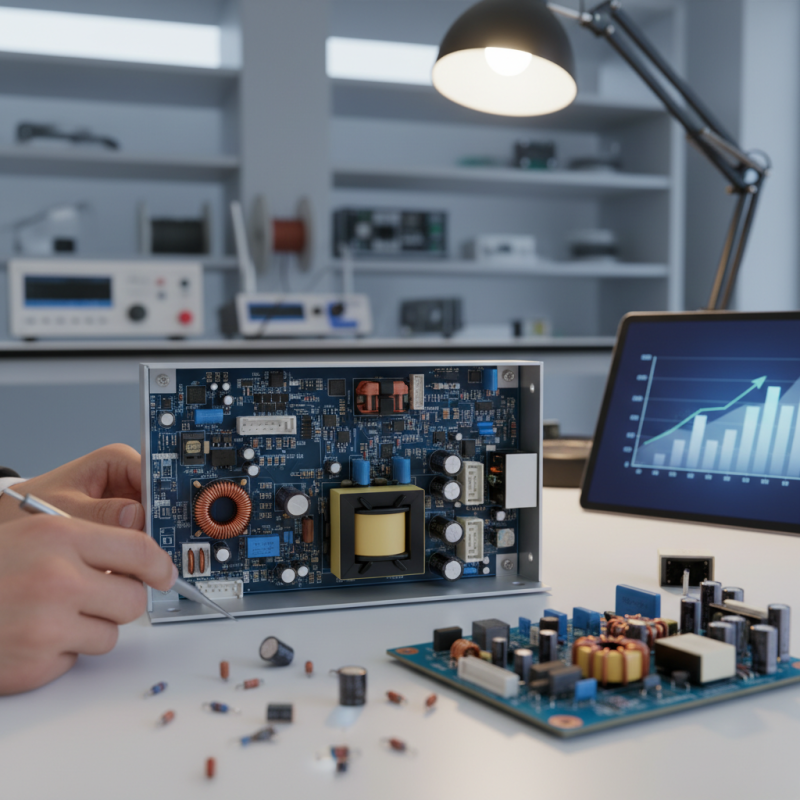
What is a Switching Power Supply and How Does It Work?

Understanding the Basics of Switching Power Supplies

Switching power supplies are a crucial component in many modern electronic devices. They efficiently convert electrical power from one voltage level to another. Unlike traditional linear power supplies, switching supplies use high-frequency switching techniques. This allows them to regulate output while minimizing energy loss.

The core functionality relies on a switch, often a transistor, that turns on and off rapidly. This process converts electrical input into pulsed energy. A transformer then steps the voltage up or down, depending on the requirement. Finally, a rectifier and filter smooth the output. This design results in a compact, lightweight unit. However, not all switching power supplies are created equal. Some may introduce noise or exhibit poor performance under certain loads.

While many people rely on these devices, a common oversight exists. Not considering the power supply's quality can lead to issues. For instance, poor regulation may affect sensitive components. It's essential to evaluate how these supplies align with specific needs. Understanding the fundamentals can help in making informed choices.

Key Components of a Switching Power Supply

A switching power supply is an essential component in many electronic devices. Its primary function is to convert electrical power efficiently. Understanding its key components can help in troubleshooting and enhancing designs.

The heart of a switching power supply is the switching transistor. This component rapidly turns on and off to regulate output voltage. It operates at high frequencies, which reduces the size of the transformer. The transformer itself provides voltage isolation and steps up or down the voltage levels. This design improves efficiency, but overheating can occur if not properly managed.

Another crucial component is the rectifier, which converts AC to DC. It needs to handle varying loads effectively. The filter capacitors smooth the output, reducing ripple. This smoothing is vital for sensitive electronics. When selecting capacitors, always check their voltage ratings.

Tips: Ensure your power supply has adequate cooling, as excessive heat can shorten its lifespan. Regularly inspect and replace aging components to maintain performance. A properly designed layout can minimize electromagnetic interference.

Mechanism of Energy Conversion in Switching Power Supplies

A switching power supply is an essential component in modern electronics. Its mechanism of energy conversion is both complex and fascinating. At its core, it changes AC voltage into a stable DC output through a series of switches. These switches operate at high frequencies, allowing for efficient energy conversion.

The switching process involves three key stages: energy storage, conversion, and regulation. Initially, energy is stored in inductors or capacitors. This energy is then transformed into usable power through the rapid opening and closing of switches. The final stage involves regulating the output voltage to meet the required levels. This three-stage process enhances efficiency, but it can introduce noise and ripple in the output.

Tips: Minimizing switching noise is crucial. Consider filtering techniques in your design. Pay attention to component ratings. This may help avoid overheating and failures. Always reflect on circuit designs for potential improvements. Power supplies might need adjustments, so stay vigilant. Efficiency is important but not the only metric for success.

Switching Power Supply Efficiency Over Load

Advantages of Using Switching Power Supplies

Switching power supplies have gained popularity due to several advantages. One major benefit is their efficiency. They convert electrical power much more effectively than traditional power supplies. This results in less wasted energy and helps reduce electricity bills. An efficient supply often operates above 85%, which is significant for long-term savings.

Another advantage is their compact size. Switching power supplies are usually smaller and lighter than their linear counterparts. This makes them easier to integrate into various devices, from smartphones to industrial equipment. Designers appreciate this flexibility, as it allows for sleeker and more innovative product designs.

However, there are some challenges to consider. They can generate electromagnetic interference, which may affect nearby electronics. Additionally, their complexity can lead to more points of failure. Effective design is crucial to mitigate these issues. Balancing efficiency with reliability is always a concern for engineers.

What is a Switching Power Supply and How Does It Work? - Advantages of Using Switching Power Supplies

Feature Description
Efficiency Typically 80% to 95%, reducing electricity waste and heat generation.
Size Compact design allows for smaller power supply units.
Weight Generally lighter than linear power supplies, facilitating easier integration.
Input Voltage Range Can accommodate a wide range of input voltages, enhancing flexibility for various applications.
Heat Generation Lower heat output compared to linear power supplies, improving system reliability.
Noise Can produce higher frequency noise which may require additional filtering in sensitive applications.
Cost Generally more cost-effective for high power applications due to efficiency and size.

Common Applications and Uses of Switching Power Supplies

Switching power supplies play a vital role in many industries. Their efficiency and compact design make them essential in electronics, telecommunications, and renewable energy. According to a report by MarketsandMarkets, the global switching power supply market size is expected to grow from $14.9 billion in 2020 to $20.5 billion by 2025, reflecting a compound annual growth rate (CAGR) of 6.8%.

Common applications include consumer electronics, where they power smartphones and laptops. They also serve in industrial machinery and medical devices.

These supplies can adapt to varying loads. However, they generate electromagnetic interference, which can impact performance. Designing for this issue requires careful consideration.

In the renewable energy sector, switching power supplies support solar inverters. They help convert the DC electricity generated by solar panels into AC electricity for grid use. While they offer numerous benefits, not all designs achieve optimal efficiency. Manufacturers continually seek improvements, especially in thermal performance. This need for evolution drives innovation in the industry.