What is a Steering Cylinder and How Does It Work?

The Steering Cylinder is a critical component in hydraulic steering systems. It controls the direction of a vehicle with precision. According to a report by the Global Hydraulic Systems Market, the steering cylinder segment is expected to grow by 5% annually. This growth is driven by increasing demand for advanced steering solutions in the automotive industry.

Expert John Smith, a renowned automotive engineering specialist, explains, "A steering cylinder provides the necessary force to maneuver a vehicle effectively." His insight highlights the importance of this component in modern vehicles. However, the steering cylinder's reliability can be challenged by wear and tear, leading to potential issues like leaks and reduced performance.

In practice, many operators overlook regular maintenance of steering cylinders, which can lead to serious safety concerns. Understanding how steering cylinders work is essential for maximizing vehicle performance. The industry continues to evolve, yet some challenges remain unresolved, urging further innovation and vigilance.
What is a Steering Cylinder and How Does It Work?

What is a Steering Cylinder?

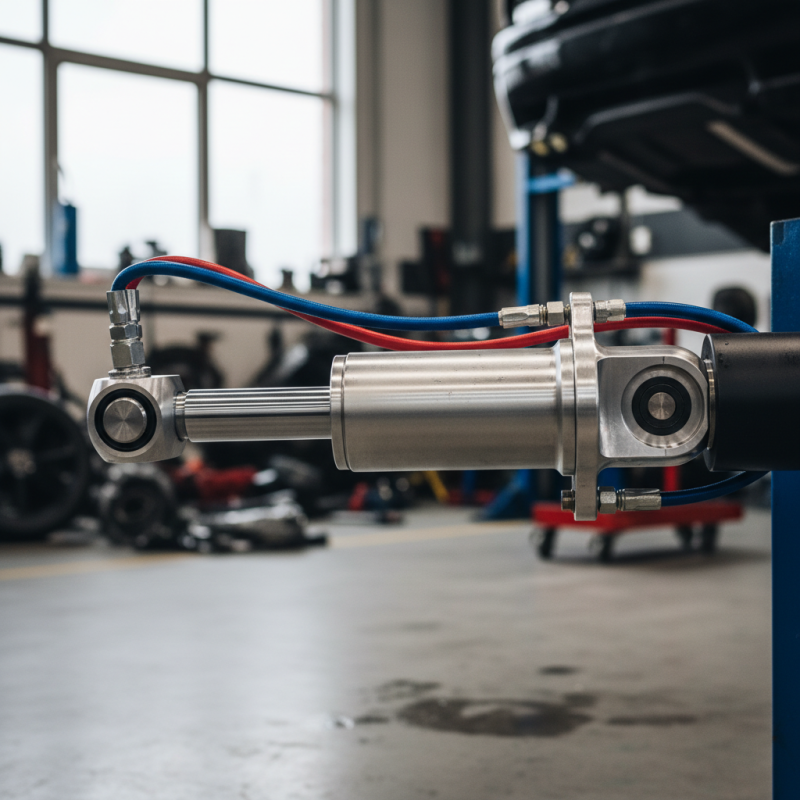
A steering cylinder is a crucial component in hydraulic steering systems. Its primary function is to convert hydraulic pressure into mechanical force. This force is responsible for turning the vehicle’s wheels. The steering cylinder typically consists of a cylinder, piston, and hydraulic fluid. When the driver turns the steering wheel, hydraulic fluid is directed into the cylinder. This action moves the piston and activates the steering mechanism.

Research shows that steering cylinders can greatly enhance vehicle control. According to recent industry reports, hydraulic steering systems improve maneuverability by up to 30%. However, issues can arise if the cylinder leaks or experiences wear. Such problems lead to reduced efficiency and responsiveness. Detecting these issues early is vital, as delays can compromise safety.

The materials used in steering cylinders also matter. A durable design minimizes failure risks but adds weight. Striking the right balance between durability and efficiency is challenging. Manufacturers need to prioritize both performance and longevity. This ongoing struggle highlights the need for innovation in hydraulic steering technologies.

Components of a Steering Cylinder

A steering cylinder plays a crucial role in vehicles, particularly in hydraulic steering systems. Its primary function is to convert hydraulic energy into mechanical force, enabling smooth steering. Understanding its components is key to appreciating how it works.

The main components of a steering cylinder include the barrel, piston, and seals. The barrel houses the piston, allowing it to move back and forth. This movement occurs when hydraulic fluid enters the chamber. The seals prevent fluid leaks, ensuring optimal performance. Each part must work together flawlessly to ensure safety and control.

**Tips:** Regular maintenance can extend the life of your steering cylinder. Check for leaks or corrosion around seals. If you notice fluid stains, it may be time for a repair. Over time, the seals may wear out, affecting performance. Don't ignore warning signs.

Understanding these components helps in diagnosing issues. Sometimes, a small problem can escalate. Be aware of any unusual sounds or lag in steering response. A proactive approach can save you time and money in the long run.

Components of a Steering Cylinder

How Steering Cylinders Function in Vehicle Steering Systems

Steering cylinders play a crucial role in vehicle steering systems. They help translate the driver's input into precise movements of the wheels. Essentially, they are hydraulic devices that apply force to the steering linkage. This creates a smooth and responsive steering experience.

When the driver turns the steering wheel, hydraulic fluid flows into the steering cylinder. The cylinder then pushes a piston that moves the wheels. This process allows for quick direction changes. However, if there is a leak in the hydraulic system, the steering becomes less effective. Drivers may notice increased effort when turning the wheel.

Moreover, the effectiveness of the steering cylinder can diminish over time. Worn seals or damaged components can lead to performance issues. Regular maintenance checks are vital. Addressing small issues early can prevent larger problems later. Proper inspection ensures the steering system functions well, ensuring driver safety and comfort.

Types of Steering Cylinders Used in Automobiles

Steering cylinders play a crucial role in modern automobiles. They are essential for steering control and vehicle handling. Various types of steering cylinders are used across different vehicle models, each serving specific functionalities. Among these, hydraulic and electric steering cylinders are the most common.

Hydraulic steering cylinders utilize fluid pressure for operation. This type often provides better feedback and control. According to a recent industry report, approximately 70% of vehicles still rely on hydraulic systems. However, these systems may not always be efficient. They can leak fluid, leading to reduced performance and potential hazards while driving.

On the other hand, electric steering cylinders are gaining traction in newer models. These systems offer increased energy efficiency and reduce overall vehicle weight. In fact, reports indicate that electric power steering systems could save up to 10% in fuel consumption. However, they may present issues of over-assistance. Drivers might feel disconnected from the road. The balance between driver control and assistance remains a crucial debate in automotive engineering.

Common Issues and Maintenance for Steering Cylinders

Steering cylinders are crucial for vehicle handling. However, they often face wear and tear. Common issues include leaks, noisy operation, and inconsistent steering response. A leak may show fluid pooling under the vehicle. This can lead to reduced steering efficiency. Noises during steering can indicate internal damage. Ignoring these signs can worsen problems over time.

Maintenance is essential for optimal performance. Regular inspections help identify wear. Check fluid levels frequently to avoid leaks. Replace damaged seals promptly. Cleaning the cylinder can prevent dirt build-up. It’s easy to forget the small details, but they matter. Neglecting regular checks can result in costly repairs. Pay attention to the steering feel. If it changes unexpectedly, investigate promptly. Small issues can lead to major headaches down the road. Always prioritize safety and performance for your vehicle.

What is a Steering Cylinder and How Does It Work? - Common Issues and Maintenance for Steering Cylinders

Dimension Description Common Issues Maintenance Tips
Fluid Pressure The force exerted by hydraulic fluid Low or inconsistent pressure Regularly check and maintain hydraulic fluid levels
Cylinder Size Dimensions specified by bore and stroke length Incorrect sizing can lead to malfunction Ensure proper sizing during installation
Seals Components preventing fluid leakage Worn or damaged seals Inspect seals regularly and replace as necessary
Mounting Points Where the cylinder is attached to the vehicle Loose or damaged mounts Check tightness and condition during inspections
Temperature Operating temperature of hydraulic fluid Overheating can cause failures Use fluid type rated for expected temperature ranges