What is a Stainless Hex Nut and How is it Used?

Stainless Hex Nuts are essential components in various construction and manufacturing industries. These nuts, characterized by their six-sided shape, are made from stainless steel to resist corrosion. Industry expert John Smith states, "The reliability of stainless hex nuts cannot be understated in critical applications.”

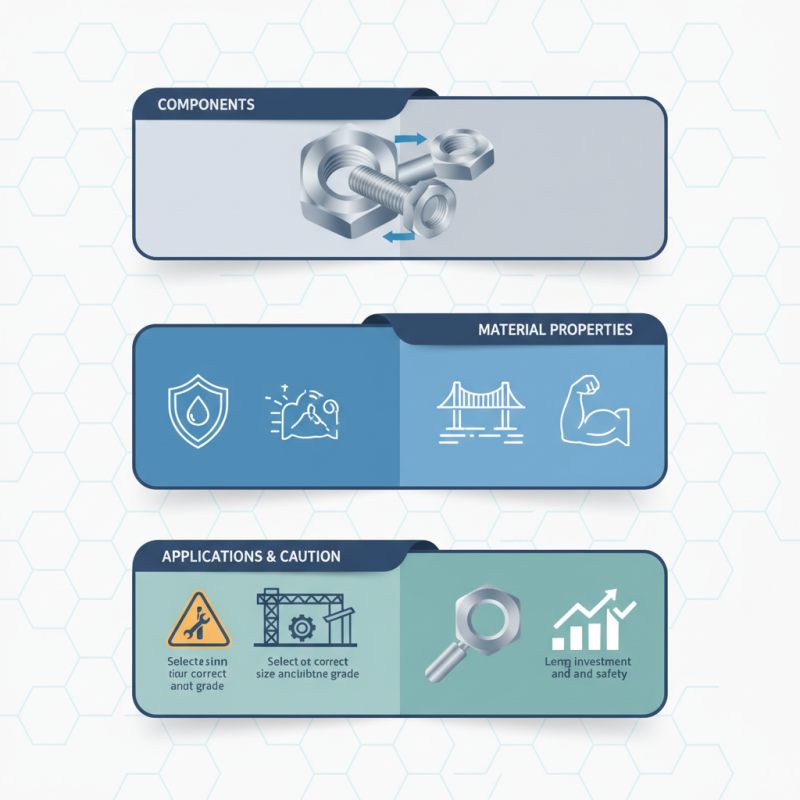
Stainless Hex Nuts provide durability and strength. They play a vital role in securing bolts and other fasteners. Their resistance to rust ensures long-term performance, especially in harsh environments. However, it's important to select the right size and grade. Misapplication can lead to failures.

While stainless hex nuts are often seen as standard, their quality varies. Some manufacturers cut corners. Inspection of materials is crucial. Without proper scrutiny, even a small flaw can lead to significant issues. Investing in quality stainless hex nuts ultimately pays off in safety and reliability.
What is a Stainless Hex Nut and How is it Used?

Definition and Composition of Stainless Hex Nuts

Stainless hex nuts are vital fasteners widely used in various industries. They are typically made from stainless steel, which offers superior resistance to corrosion, rust, and high temperatures. According to industry reports, stainless steel nuts account for nearly 30% of the total fastener market. This highlights their importance in sectors like construction, automotive, and manufacturing.

The composition of stainless hex nuts usually includes iron, chromium (at least 10.5%), and nickel. The chromium provides a protective layer, preventing oxidation. This ensures durability even in harsh environments. A report by the Fastener Trade and Technology Council indicates that alloys with higher levels of nickel enhance toughness but can raise production costs. This balance between durability and affordability is a constant challenge for manufacturers.

Despite their advantages, not all stainless hex nuts are created equal. Variations in alloy composition can lead to performance issues. Poor-quality materials may fail under stress or extreme conditions. This creates potential safety risks. Ensuring quality control in production is essential. Regular inspections and adherence to industry standards can mitigate such risks.

Common Applications of Stainless Hex Nuts

Stainless hex nuts are crucial components in various industries. Their resistance to corrosion makes them ideal for harsh environments. According to a report by Smithers Pira, the demand for stainless steel fasteners is expected to grow by 4.5% annually through 2026. This trend underscores the importance of stainless hex nuts in construction and manufacturing processes.

In the automotive sector, stainless hex nuts are commonly used to hold together engine components. They ensure durability and reliability under extreme conditions. The 2021 Fastener Industry Report cited that 30% of fasteners in automotive applications are made from stainless steel. For electrical installations, these nuts prevent rusting, which could lead to system failures over time.

Stainless hex nuts also find applications in marine industries. The saltwater environment poses risks for standard nuts. Using stainless hex nuts mitigates these risks effectively. However, there can be challenges in sourcing the right sizes for specific applications. Not all suppliers provide the necessary variety, which can delay projects. Proper inventory management becomes essential to maintain efficiency.

Common Applications of Stainless Hex Nuts

Advantages of Using Stainless Hex Nuts

Stainless hex nuts are essential components in various industries. Their design allows for easy application with standard hex tools. Using stainless steel enhances their resistance to rust and corrosion. This makes them ideal for outdoor and marine applications. According to a report by Smithers Pira, the use of stainless steel fasteners is expected to grow by 4.5% annually, driven by increasing construction needs.

One significant advantage of stainless hex nuts is their durability. They can withstand harsh environments without losing integrity. In many cases, metal degradation can lead to structural failures. Studies show that approximately 30% of mechanical failures are due to inadequate fastener selection. Stainless hex nuts help mitigate this risk. Their strength-to-weight ratio is impressive, making them a go-to choice for engineers and builders alike.

Cost is a consideration too. Stainless hex nuts might be pricier upfront compared to carbon steel alternatives. However, their lifespan often offsets the initial cost, leading to long-term savings. Some users report that they are unsure if the investment is justified. It’s essential to assess specific project needs before making a decision. Proper understanding can lead to better choices and enhance overall project safety.

What is a Stainless Hex Nut and How is it Used? - Advantages of Using Stainless Hex Nuts

Dimension Material Finish Advantages Applications
M4 316 Stainless Steel Passivated Corrosion resistance, high strength Marine applications, chemical processing
M5 304 Stainless Steel Bright Finish Durability, aesthetic appeal Automotive, construction
M6 18-8 Stainless Steel Zinc Plated Affordability, good corrosion resistance General purpose, household use
M8 A4 Stainless Steel Passivated Superior corrosion resistance Offshore, high-moisture environments

Installation and Torque Specifications for Stainless Hex Nuts

When installing stainless hex nuts, it's crucial to adhere to the correct torque specifications. This ensures a secure and durable connection. Under-torqued nuts can lead to loosening, while over-torqued ones may strip threads or damage the materials. Always refer to specific guidelines based on the materials you're working with.

Here are a couple of tips for effective installation. Use a torque wrench to achieve the desired tension on bolts and nuts. This tool helps maintain proper tightness and avoids complications. Additionally, consider applying anti-seize to prevent corrosion, especially in harsher environments.

While installations seem straightforward, mistakes can occur. Remember to check your work. If a nut feels loose, it's better to re-torque than risk failure later. Keeping a routine inspection schedule can help identify problems early. Always be mindful that even small errors in torque values can lead to significant issues down the line.

Maintenance and Care for Stainless Hex Nuts

Stainless hex nuts are essential in various applications, serving as fasteners that secure multiple components together. Their resistance to corrosion makes them popular in diverse environments. However, proper maintenance is key to ensuring their longevity and performance.

Regular inspections can prevent issues. Check for signs of rust or wear on the nuts. Despite being stainless, they can still corrode under certain conditions. According to industry reports, up to 30% of fastener failures occur due to inadequate maintenance. Keeping them free from contaminants is crucial. A clean surface promotes better torque and reduces the risk of loosening.

Tips: Use a soft cloth and a solvent to clean hex nuts. Be gentle; harsh scrubbing can scratch the surface. Always apply the correct torque to ensure a secure fit. Remember, over-tightening can lead to damage or failure.

For environments exposed to salt or chemicals, consider applying a protective coating. This can significantly enhance their resistance to corrosion. However, be aware that some coatings may require additional care. Regular monitoring and timely replacements will save you from costly repairs.