Why Precision Machining is Essential for Modern Manufacturing Success?

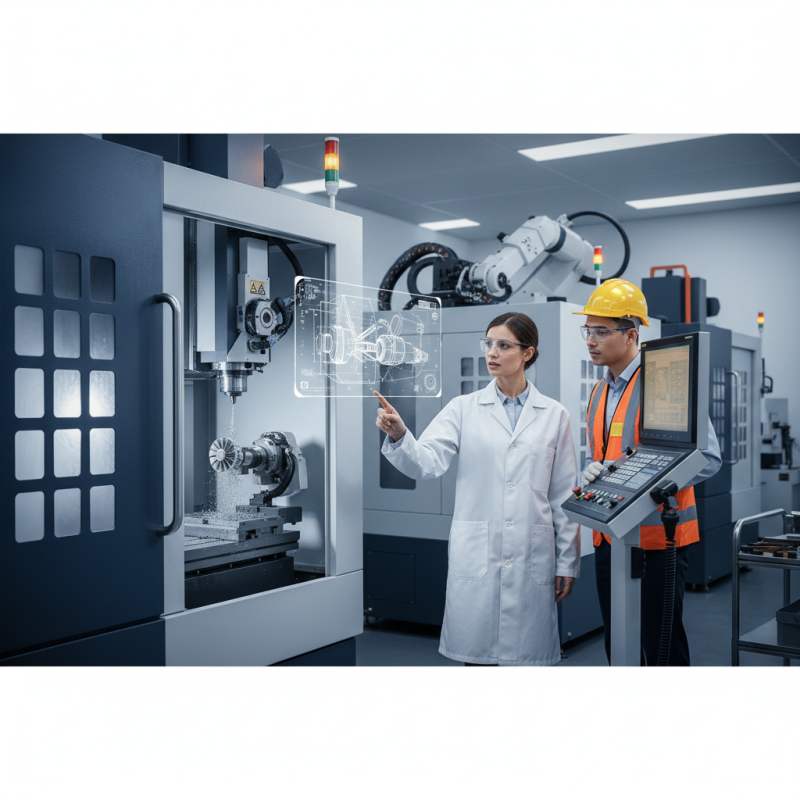
In today’s advanced manufacturing landscape, "Precision Machining" has emerged as a critical pillar supporting innovation and efficiency. Dr. Emily Chen, a leading expert in manufacturing technologies, states, "Precision machining is not just about precision; it's about creating possibilities." This quote encapsulates the essence of this practice, reflecting its transformative impact on industries ranging from aerospace to healthcare.

Precision machining emphasizes the importance of exact specifications. It enables manufacturers to produce components with tight tolerances and intricate designs. This capability is essential for engineering complex assemblies that meet strict performance standards. However, not all manufacturers fully leverage this potential. Some rely on outdated methods, risking quality and precision.

Moreover, the demand for customization in production increases the need for superior precision machining capabilities. Yet, many firms struggle with the intricate balance of speed and accuracy. Embracing precision machining can significantly enhance productivity. Investing in advanced technology and skilled professionals is crucial. As the industry evolves, companies must reflect on their practices. Are they truly harnessing the full power of precision machining?
Why Precision Machining is Essential for Modern Manufacturing Success?

The Definition and Importance of Precision Machining in Manufacturing
Why Precision Machining is Essential for Modern Manufacturing Success?

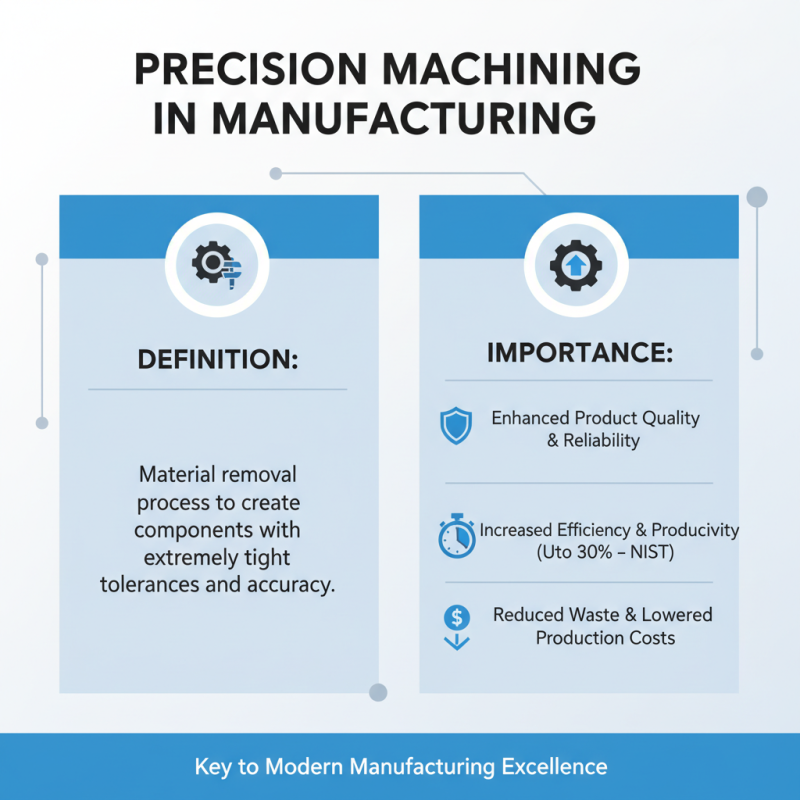
Precision machining plays a vital role in modern manufacturing. It involves the removal of material to create components with tight tolerances. This can lead to significant improvements in product quality and efficiency. A report from the National Institute of Standards and Technology (NIST) states that precision machining can enhance productivity by up to 30%. Achieving such precision can reduce waste and lower production costs.

Compared to traditional machining methods, precision techniques allow for complex geometries and intricate designs. This adaptability makes it essential across industries, from aerospace to medical devices. Studies show that businesses leveraging precision machining experience faster turnaround times. However, maintaining precision often requires investment in technology and skilled labor, which some companies may overlook.

Tips: Invest in training for your team. Knowledge is crucial in precision machining. Regularly check machinery calibration to ensure product quality. This practice helps identify potential issues before they escalate. A proactive approach can save resources and maintain standards in production.
Key Technologies and Tools Used in Precision Machining

Precision machining plays a critical role in modern manufacturing. Key technologies in this field include Computer Numerical Control (CNC) machining, additive manufacturing, and advanced cutting tools. CNC machining, for instance, enables exceptional accuracy and repeatability, which are vital in industries like aerospace and medical devices. According to a report from the International Federation of Robotics, global sales of industrial robots have increased by 15% annually, indicating a strong trend towards automation in precision machining.

Advanced cutting tools, such as carbide inserts and diamond-coated tools, enhance the efficiency and longevity of processes. These tools can reduce production costs by minimizing wear and increasing cutting speeds. A study from the American Society for Quality highlights that precision machining can improve product quality by reducing scrap rates by up to 30%. This emphasizes the importance of investing in cutting-edge technologies to stay competitive.

Tips: Prioritizing tool maintenance can enhance performance and accuracy. Verify calibration regularly for CNC machines to avoid errors. Understanding emerging technologies can inform better equipment choices and production strategies. As industries evolve, keeping pace with these innovations will be crucial for success in precision machining.

Why Precision Machining is Essential for Modern Manufacturing Success? - Key Technologies and Tools Used in Precision Machining

Technology/Tool Description Applications Benefits
CNC Milling A computer-controlled cutting machine for machining parts. Aerospace, automotive, medical devices High precision and repeatability
Wire EDM Electrical discharge machining using a wire electrode to cut materials. Tool and die making, complex parts production Ability to create intricate shapes and high surface quality
Lathe Machining A machine that rotates a workpiece about an axis to perform various operations. Shafts, circular components Efficiency in machining symmetrical parts
3D Printing Additive manufacturing process that creates parts layer by layer. Prototyping, customized parts Flexibility in design and reduced waste
Laser Cutting Using a laser to cut materials with high precision. Sheet metal, plastics, textiles Clean cuts and minimal thermal distortion

Applications of Precision Machining Across Various Industries

Precision machining plays a crucial role in multiple industries such as aerospace, automotive, and medical devices. In aerospace, high tolerances are necessary to ensure safety and efficiency. According to a 2022 report by MarketsandMarkets, the aerospace precision machining market is projected to reach $23.3 billion by 2025. This growth emphasizes the importance of precise manufacturing processes that can meet strict regulatory standards.

In the automotive sector, precision machining is essential for producing components like engine parts and transmission systems. The International Organization of Motor Vehicle Manufacturers notes that precision-engineered parts can improve fuel efficiency by up to 15%. Such advancements highlight the need for manufacturers to invest in high-quality machining capabilities.

Tips: Always assess the specific tolerances required for your application. Monitor technological advancements to ensure you use the most efficient methods available. Regularly review your machining processes to identify areas needing improvement, as continuous enhancement is vital in this competitive landscape.

Quality Control and Standards in Precision Machining Processes

Precision machining is a cornerstone of modern manufacturing. It is crucial for maintaining quality control and adhering to stringent industry standards. Recent reports indicate that nearly 70% of manufacturing defect rates can be traced back to process inconsistencies in machining. This highlights the need for robust quality control measures.

To ensure precision, manufacturers utilize tools like CNC machines and automated inspection systems. These advancements can reduce human error significantly. Studies show that companies implementing these technologies see a reduction in scrap rates by up to 40%. However, reliance on technology does not eliminate human oversight. There are instances where machines may misinterpret data, leading to costly errors.

Establishing clear standards is essential in precision machining. The International Organization for Standardization (ISO) provides frameworks that help manufacturers maintain high-quality outputs. Yet, adhering to these standards can produce challenges. Achieving compliance often requires significant investment in training and equipment. Therefore, some businesses struggle to keep up, which can lead to quality fluctuations. Continuous improvement and regular auditing are vital to overcoming these hurdles in the quest for success.

Importance of Precision Machining in Modern Manufacturing

The chart above illustrates the importance of different factors in precision machining as rated on a scale from 1 to 10. Quality control and complex handling top the importance scale, underlining the critical role precision machining plays in successful modern manufacturing.

Future Trends and Innovations in Precision Machining Techniques

Why Precision Machining is Essential for Modern Manufacturing Success?

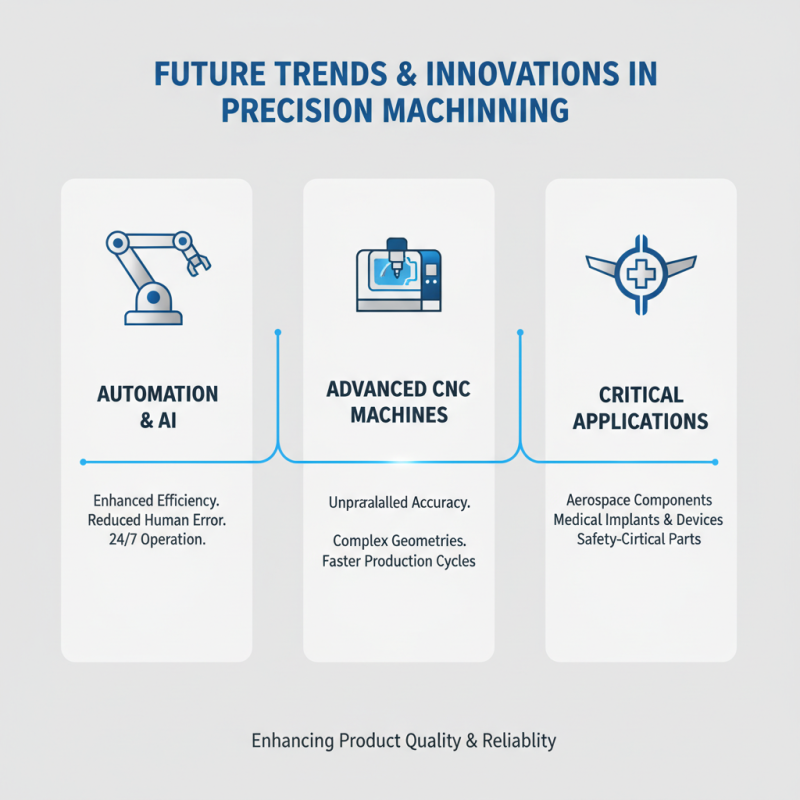
Precision machining is witnessing significant advancements as manufacturers seek to enhance efficiency and product quality. Innovations in automation and computer-aided technologies are reshaping this field. Modern CNC machines are capable of executing complex designs with unparalleled accuracy. These tools reduce errors, ensuring that parts fit perfectly in their assemblies. This level of precision is vital in industries like aerospace and medical, where safety is non-negotiable.

Emerging trends show a shift towards additive manufacturing integration. This technique allows for the creation of complex geometries that traditional machining cannot achieve. Hybrid approaches combine machining with 3D printing, expanding design possibilities. However, challenges persist. The need for skilled personnel who can operate sophisticated machines is crucial. Many companies face a skills gap, hindering their ability to innovate effectively.

Sustainability is another key consideration. Manufacturers are exploring eco-friendly materials and energy-efficient practices. This focus can sometimes conflict with performance and cost efficiency, creating tension in decision-making. Balancing these elements is an ongoing discussion in the manufacturing community. As precision machining evolves, continuous learning and adaptation will be essential for success.