What is a Packing Machine and How Does It Work?
In the ever-evolving world of manufacturing, Packing machines play a vital role. These machines ensure that products are packaged efficiently and safely. Maria Johnson, a leading expert in packaging technology, stated, "Packing machines are the backbone of modern production lines." This underscores their significance in optimizing workflows.
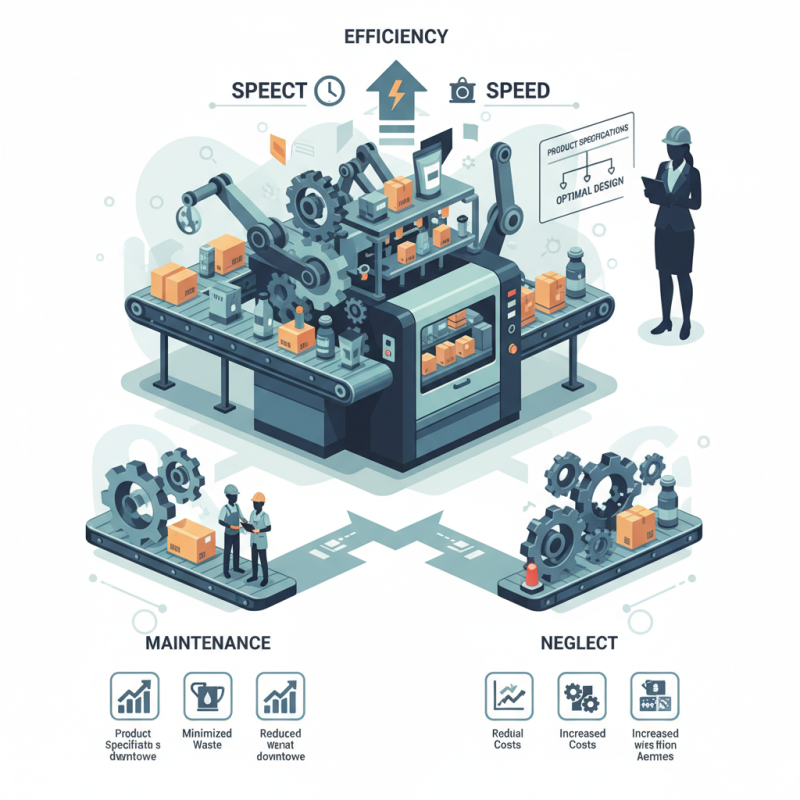
A packing machine integrates technology to automate the packaging process. It reduces human error and increases speed. For instance, companies can pack thousands of items daily with high precision. Yet, the effectiveness of a packing machine depends on the design and application. Choices must align with product specifications.
Despite the benefits, some businesses overlook maintenance. Neglecting upkeep can lead to breakdowns, increasing costs. Understanding the intricate workings of a packing machine is crucial. Companies must invest time in training staff. This not only enhances performance but also minimizes waste and downtime. Recognizing these details creates a pathway to operational excellence.
What is a Packing Machine: Definition and Overview
Packing machines play a critical role in the manufacturing and logistics sectors. These machines automate the packaging process, ensuring efficiency and consistency. According to research by Smithers Pira, the global packaging machinery market was valued at over $45 billion in 2021. This trend is expected to grow as businesses seek to enhance productivity and reduce labor costs.
In essence, a packing machine is designed to fill, seal, and label products for shipment or sale. These machines are equipped with advanced technology to handle various packaging materials, from plastic to cardboard. For example, a report from Technavio projected a CAGR of 5.7% for the packaging machinery market from 2022 to 2026. This indicates a rising demand across multiple sectors, including food and beverage, pharmaceuticals, and consumer goods.
While packing machines offer significant advantages, challenges do arise. Machines can malfunction, leading to production delays. Moreover, improper calibration can result in underfilled or overfilled packages. Companies must invest in ongoing maintenance and operator training to mitigate these risks. Addressing these issues is crucial for maintaining efficiency and product integrity in the packaging process.
Types of Packing Machines and Their Applications
Packing machines are essential in various industries, designed to ensure products are securely packaged for distribution. Different types serve diverse needs, from food items to electronics. Understanding these types helps businesses choose the right machine.
One common type is the vacuum packing machine. It removes air from packaging, extending shelf life for perishable goods. This is crucial for food industries aiming for freshness. Another type, the shrink wrapping machine, applies heat to shrink the plastic around products. It enhances appearance and offers protection. It’s often used for beverages and consumer goods.
These machines can sometimes be complex and require regular maintenance. Businesses must ensure staff are trained in proper operation. This point is critical; poorly maintained machines can lead to delays. Reflection on the machine's efficiency can optimize packaging processes, revealing areas needing improvement.
What is a Packing Machine and How Does It Work? - Types of Packing Machines and Their Applications
| Type of Packing Machine | Description | Applications | Advantages |
|---|---|---|---|
| Vertical Form Fill Seal (VFFS) | Machine that forms bags from a flat roll of film, fills them with product, and seals. | Snacks, powders, liquids | High-speed operation, versatility in packaging |
| Horizontal Flow Wrapper | Wraps a product in a film, typically used for products that need airtight packaging. | Bakery items, bars, medical supplies | Effective moisture barrier, enhances shelf life |
| Shrink Wrapper | Covers the product in plastic film and applies heat to shrink the film tightly around the product. | Beverages, multipacks, and cartons | Tamper resistance, attractive presentation |
| Case Packager | Automates the packaging of products into cases or cartons. | Consumer goods, beverages, food products | Increased efficiency, reduced labor costs |
| Palletizer | A machine used to stack products onto pallets for shipping. | Warehouse operations, distribution centers | Optimizes space, enhances load stability |
Key Components of Packing Machines Explained
Packing machines play a crucial role in various industries. Understanding their key components can illuminate how they enhance efficiency. One essential part is the conveyor system. It transports products smoothly through the packaging process. A well-designed conveyor ensures minimal delays. Frequent jams should be checked to maintain optimal function.
Another vital component is the filling mechanism. This part determines how much product goes into each package. Accuracy is key here. Overfilling or underfilling can lead to waste or customer dissatisfaction. Adjustments might be needed regularly to keep this mechanism efficient.
Lastly, sealing devices are critical for maintaining product integrity. Whether using heat seals or adhesive, the seal must be robust. Weak seals can compromise product quality. Regular testing and maintenance are necessary to ensure reliability. Each of these components must work in harmony for the machine to function effectively. Intervals for inspection should be implemented to catch issues early.
Packing Machine Efficiency by Type
This chart illustrates the efficiency levels of different types of packing machines. Horizontal Form Fill Seal and Vertical Form Fill Seal machines show the highest efficiencies, while Cartoning Machines and Case Packing Machines have slightly lower performance metrics.
How Packing Machines Operate: Step-by-Step Process
Packing machines play a crucial role in various industries, streamlining the packaging process. They handle different types of products, from food items to electronics. Understanding how these machines operate is essential for optimizing production lines.
The process begins with feeding the product into the machine. Sensors detect the product's presence and position it correctly. Some machines use conveyors for this purpose. Then, the machine forms packaging materials, which could be bags, boxes, or wrappers. In 2022, about 52% of the packaging market was dedicated to flexible packaging, showcasing its importance. The machine then fills the packaging with the product, ensuring precise measurements. Data from industry reports indicates that accurate filling increases efficiency by up to 25%.
After filling, the packaging is sealed. Heat seals or adhesive are commonly used. Sealing ensures product integrity, and sometimes even extends shelf life. Finally, the machine labels the packages. This labeling includes barcodes for inventory management. Although these machines offer efficiency, maintenance is a challenge. Regular inspections can prevent breakdowns, which significantly impact production flow. Some packing lines report downtime of up to 15% due to machine failures, highlighting the need for ongoing evaluation and care.
Benefits of Using Packing Machines in Food and Industry
Packing machines play a crucial role in both food and industrial sectors. These machines increase efficiency by significantly reducing manual labor. According to a recent industry report, automating packing processes can reduce labor costs by up to 30%. This efficiency not only saves money but also speeds up production lines.
In the food industry, packing machines ensure hygienic standards. They minimize human contact with food products, which is vital for food safety. A study published by FoodProcessing.com highlights that 40% of food recalls are due to contamination during packing. By using automated solutions, companies can improve compliance with health regulations.
However, the transition to packing machines requires careful planning. Some companies report challenges with integration. Employees may need training on new technologies. Additionally, initial investment costs can be a barrier for small businesses. These factors need consideration before making the switch. The benefits, though significant, come with their own set of challenges that require thoughtful reflection.