Why Choose Interlocking Nail Implant for Bone Fracture Recovery?
Bone fractures can significantly impact a person's life. Healing these fractures often requires innovative medical solutions. One effective choice gaining attention is the Interlocking nail implant. This treatment provides a robust method for stabilizing broken bones.
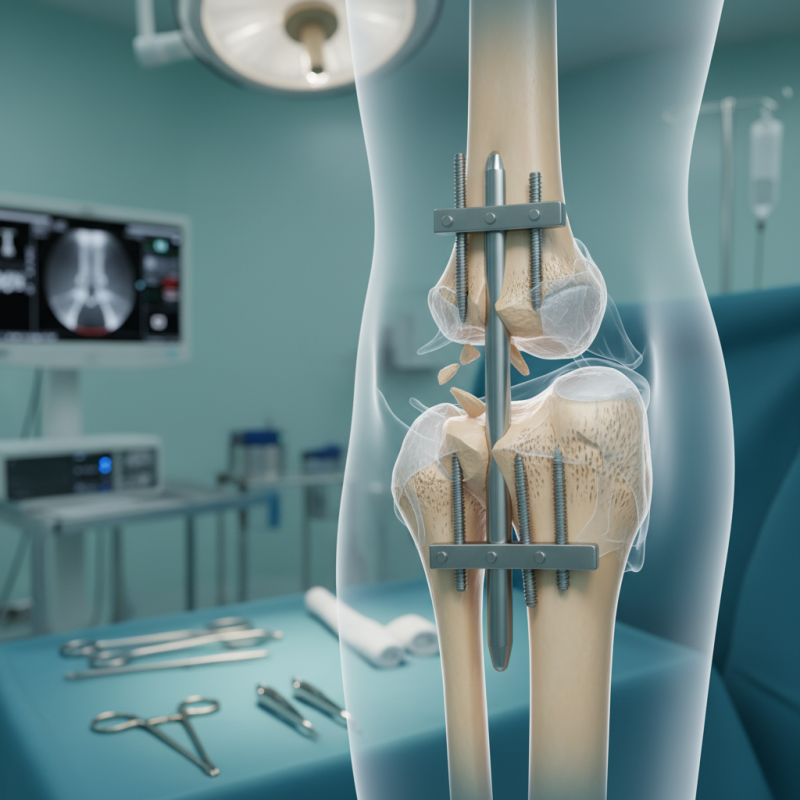
Interlocking nail implants are designed to offer support during the healing process. They are inserted into the medullary cavity of long bones, securing fragments together. The result is a solid structure that promotes better alignment and stability. Patients often experience effective recovery, as this method can lead to quicker mobility.
Yet, it is essential to understand that every medical procedure carries risks. Some individuals may face complications or varied recovery times. It is crucial for patients to discuss their specific situations with healthcare providers. The Interlocking nail implant is not a one-size-fits-all solution, but it offers a promising avenue for many facing bone fractures.
Advantages of Interlocking Nail Implants in Bone Healing
Interlocking nail implants have gained popularity in bone fracture recovery due to their unique advantages. They offer stable fixation, allowing bones to heal in the correct alignment. Unlike traditional methods, interlocking nails reduce the risk of malunion. This is crucial for restoring normal function and preventing future complications.
One significant benefit is their minimal invasiveness. Surgeons insert the nails through small incisions, leading to less tissue damage and faster recovery times. Patients often experience reduced pain after surgery. However, the technique requires precise surgical skills, which can be a challenge in some cases.
Moreover, interlocking nails provide excellent rotational stability. This helps maintain proper positioning during the healing process. With this stability, patients can gradually regain mobility. Yet, some individuals may face challenges with rehabilitation. Adapting to the new implant can take time, and not everyone achieves the same level of recovery. Balancing expectations with reality is an ongoing process for many.
Mechanism of Action for Interlocking Nail Implants
Interlocking nail implants play a crucial role in bone fracture recovery. They provide stability and alignment, essential for healing. When a fracture occurs, the body needs a solid foundation to promote proper bone regeneration. Interlocking nails support this process effectively.
This device works by inserting a nail into the medullary cavity of the bone. It is secured with screws, creating a stable construct. Studies show that using interlocking nails can reduce healing time by up to 30%. This rapid recovery is appealing for active individuals. However, complications can arise. Mal-alignment or infection can occur during the process.
Moreover, the mechanical load on the bone can affect the overall success rate. Reports indicate that about 10% of patients experience re-fracture in the long term. While interlocking nail implants are effective, careful consideration is necessary. Ongoing research is vital for improving techniques and outcomes. Understanding these aspects can lead to better patient experiences and enhanced healing methods.
Why Choose Interlocking Nail Implant for Bone Fracture Recovery?
| Dimension | Description | Benefits |
|---|---|---|
| Material Type | Titanium or stainless steel | Durable and biocompatible |
| Weight | Lightweight design | Minimizes discomfort during recovery |
| Load Distribution | Optimal load sharing with bone | Promotes natural healing |
| Surgical Technique | Minimally invasive approach | Reduced recovery time and complications |
| Stability | Interlocking mechanism | Enhanced fracture stability |
| Post-Operative Care | Simplified rehabilitation protocol | Improved patient compliance |
Comparative Effectiveness: Interlocking Nails vs. Traditional Methods
Interlocking nails are becoming popular in bone fracture recovery. They offer significant advantages over traditional methods like plaster casts or rigid fixation. A key benefit is their ability to provide stronger stabilization. This stabilization allows for earlier mobility, which is essential for recovery.
While traditional methods often involve long periods of immobility, interlocking nails promote more active rehabilitation. Patients may experience reduced muscle atrophy, a common issue with prolonged immobilization. However, the surgical procedure for interlocking nails can be complex, raising concerns about risks and complications. The learning curve for some surgeons may also lead to variable outcomes.
Recovery times can differ based on the technique employed. Some studies indicate that interlocking nails often lead to faster healing rates. Nevertheless, individual patient circumstances, such as age and overall health, influence recovery experiences. This variability amplifies the need for tailored approaches. Choosing the right method requires careful reflection on the potential benefits and challenges each offers.
Indications and Contraindications for Using Interlocking Nails
Interlocking nail implants are becoming popular for treating bone fractures. They offer stability and support during the healing process. However, not everyone is a candidate for this type of implant.
Indications for using interlocking nails include unstable fractures, particularly in long bones like the femur and tibia. They work well in cases where traditional casting may not provide adequate support. Surgeons often recommend this method for patients who are active and want to regain mobility quickly.
On the other hand, there are some contraindications to consider. Patients with infection at the fracture site may not be suitable candidates. Those with certain medical conditions, like severe osteoporosis or vascular issues, should be evaluated carefully before proceeding.
Tips: Always discuss your medical history with your doctor. Ask about alternative treatments if you’re unsure. Recovery can be unpredictable, so be prepared for some challenges along the way. Healing may take longer for some, depending on individual health factors.
Why Choose Interlocking Nail Implant for Bone Fracture Recovery?
Post-Operative Care and Recovery with Interlocking Nail Implants
Post-operative care is crucial in ensuring effective recovery with interlocking nail implants. Research indicates that proper management can lead to an 80% success rate in regaining full function. Patients are often advised to engage in physical therapy as soon as possible. This helps to maintain mobility and strengthen surrounding muscles. Failure to adhere to rehabilitation guidelines may lead to complications.
Monitoring the surgical site is vital. Signs of infection, such as redness and swelling, require immediate attention. It's estimated that around 5% of patients experience post-operative infections. Regular follow-ups with healthcare professionals enhance healing. Adhering to prescribed medications is equally important. Many patients may underestimate the significance of pain management in their recovery journey.