Why Are Auto Parts Bearings Essential for Vehicle Performance?
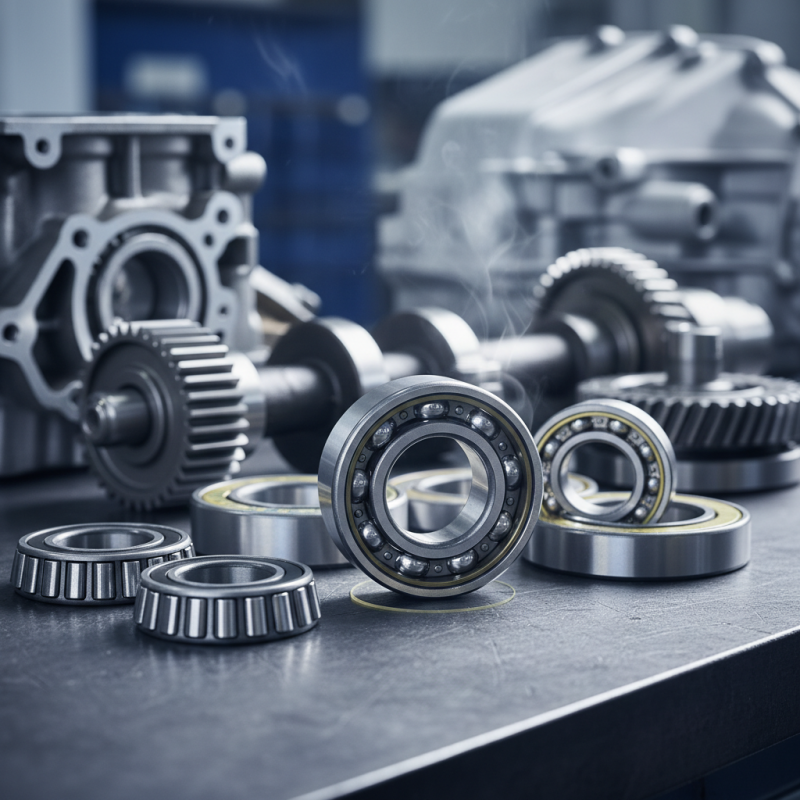
Auto Parts Bearings play a crucial role in the overall performance of vehicles. They are essential components that support the moving parts in an engine and transmission. Without them, friction would increase, leading to wear and tear. This could cause severe damage to the vehicle.
The significance of Auto Parts Bearings extends beyond mere functionality. They enhance efficiency by reducing energy loss during operation. High-quality bearings contribute to smoother rides and improved fuel economy. Additionally, they are vital for ensuring safety, as they provide stability to critical systems.
Neglecting the importance of these bearings can lead to costly repairs. Many vehicle owners overlook their maintenance. This oversight can result in unexpected breakdowns and diminished performance. Understanding the role of Auto Parts Bearings is not just beneficial; it is essential for vehicle longevity and reliability. Reflecting on these details can help drivers appreciate their importance.
The Role of Bearings in Automotive Systems and Mechanics
Bearings play a critical role in automotive systems. They reduce friction between moving parts. This function is vital for a vehicle's efficiency. Without smooth movement, components wear out faster. Increased wear leads to costly repairs. Think about how often you rely on the engine. If it doesn’t run smoothly, it impacts your entire driving experience.
Consider the impact of bad bearings. They can cause vibrations that you may feel in the steering wheel. This effect can be alarming and might affect how you drive. A vehicle with faulty bearings can also consume more fuel. That’s money wasted. Regular inspection is necessary. It’s easy to overlook, but small issues escalate quickly. They can compromise overall safety and performance.
The design and type of bearing also matter. Different vehicles require specific bearings to operate optimally. This detail can affect handling and speed. Choosing the right bearing might seem minor, but it’s essential. When unsure, seeking expert advice is beneficial. Preemptive maintenance can save drivers frustration and money in the long run.
Why Are Auto Parts Bearings Essential for Vehicle Performance?
| Bearing Type | Function | Material | Application Area | Impact on Performance |
|---|---|---|---|---|
| Ball Bearings | Reduces friction | Steel | Wheel hubs, motors | Improves speed and efficiency |
| Roller Bearings | Handles heavy loads | Chromium Steel | Axles, transmissions | Increases load capacity |
| Tapper Bearings | Handles thrust and radial loads | Bronze/Steel | Wheel assemblies | Enhances driving stability |
| Sleeve Bearings | Provides support and reduces wear | Polymer | Engine components | Minimizes vibration |
Types of Auto Parts Bearings and Their Applications in Vehicles
Auto parts bearings play a vital role in vehicle performance. They are found in numerous components like wheels, engines, and brakes. Each type of bearing serves a specific purpose, contributing to a vehicle's efficiency and longevity.
Wheel bearings are crucial for smooth rotation. They support the vehicle's weight and absorb shocks. When they wear out, it can lead to poor handling and increased tire wear. Regular checks can prevent these issues, but many overlook this aspect. Engine bearings, on the other hand, reduce friction within the engine. They ensure smooth operation and can enhance fuel efficiency. However, improper installation or low-quality materials can lead to engine failure.
Additionally, there are also thrust bearings, helping in applications where axial loads are a concern. They play a key role in clutch systems and steering mechanisms. Neglecting their maintenance can result in serious mechanical failures. Understanding the different types of bearings helps in making informed decisions for vehicle care. Regular inspection and replacement can significantly enhance performance and safety.
How Bearings Influence Overall Vehicle Performance and Efficiency
Bearings play a crucial role in vehicle performance. They reduce friction between moving parts. This friction reduction enhances efficiency. According to industry reports, properly functioning bearings can improve fuel economy by 2-4%. This is critical as consumers aim to lower fuel costs.
Engine noise is also affected by bearings. When they wear out, noise levels increase, leading to a less satisfying driving experience. In fact, studies reveal that worn bearings can cause engine noises to rise by 30%. Addressing bearing issues can lead to a quieter ride. Drivers often overlook this until it becomes a significant problem.
Regular maintenance of auto parts is necessary. Many vehicle owners do not pay enough attention to bearings during service checks. This can lead to severe performance issues over time. Inadequate lubrication can shorten bearing life significantly. Reports suggest that proper lubrication increases bearing life by 50%. Awareness about bearing maintenance is essential for vehicle longevity.
Maintenance and Replacement of Auto Parts Bearings for Longevity
Maintaining auto parts bearings is crucial for vehicle longevity. These components ensure smooth wheel rotation and smooth operation of various systems. Regular checks can prevent costly repairs. Many drivers overlook this maintenance. Ignoring wear and tear can lead to major issues.
It’s vital to inspect auto bearings for signs of damage or wear regularly. Listen for unusual noises during drives; they may indicate a problem. Replacing bearings timely can enhance performance. However, not everyone knows when to replace them. Look for signs of overheating or roughness. Each vehicle reacts differently.
Maintaining these parts requires diligence. It’s easy to forget routine checks. Neglecting bearings can affect fuel efficiency and driving comfort. A simple annual inspection can save money. Don’t wait for a breakdown to address these small yet essential components.
Future Innovations in Bearing Technology for Automotive Industry
Innovations in bearing technology are reshaping the automotive industry. Lightweight materials are becoming common. This reduces vehicle weight and enhances fuel efficiency. For instance, ceramic and polymer bearings offer remarkable performance with less friction. These offerings could drastically change the way cars operate, allowing for smoother rides and better durability.
Another exciting aspect of bearing technology is automation. Smart bearings can now monitor their own performance. This technology is not widely adopted yet. However, it’s gaining traction. Imagine a bearing that alerts you before failure occurs. This proactive approach can minimize maintenance costs and improve safety.
Despite these advancements, challenges remain. The shift toward sustainability is crucial. Manufacturers must explore eco-friendly materials. The industry must also address reliability issues with new technologies. As we innovate, we need to ensure that performance and safety do not take a backseat. Keeping these factors in mind could lead to impressive breakthroughs in auto parts bearings.