What Are Die Casting Molds and How Do They Work?

In the world of manufacturing, "Die Casting Molds" play a vital role. Expert John Smith, a leading figure in this industry, once said, "Die casting molds are the backbone of precision production." These molds create intricate metal parts through a process that demands precision and expertise.

Die casting molds are designed to withstand high pressure and temperature. They are made from durable materials like steel or iron. The creation process involves several complex steps, including mold design, tooling, and testing. Understanding how these molds work is crucial for manufacturers aiming for efficiency and quality.

While the technology is impressive, challenges exist. Maintaining mold integrity over time can be difficult. Factors like wear and thermal fatigue can affect performance. Therefore, manufacturers must constantly reflect on their practices and innovations to improve the durability and efficiency of die casting molds.
What Are Die Casting Molds and How Do They Work?

What Is Die Casting and Its Applications

Die casting is a manufacturing process that involves forcing molten metal into a mold. This method results in precise and intricate shapes. It's widely used across various industries, including automotive, aerospace, and electronics. According to a recent industry report, the global die casting market is projected to grow significantly, reaching approximately $20 billion by 2026.

One popular application of die casting is in the automotive sector. Here, components such as engine blocks and transmission housings are produced. These parts benefit from the high dimensional accuracy that die casting provides. This accuracy can reduce the need for extensive machining. Additionally, die casting allows for lightweight designs, which is essential in modern vehicle manufacturing. However, not all designs are suitable for this process. The complexity of the mold can increase costs and production time.

Another area where die casting shines is in electronic casings. The demand for lightweight and durable materials is increasing. Die casting delivers that. However, challenges exist. The process can create defects like porosity if not carefully managed. This can lead to failures in high-performance applications. Addressing these issues requires diligent oversight and innovation in mold design and material selection.

Components of Die Casting Molds Explained

Die casting molds are essential in manufacturing. They allow for the production of complex metal parts. Understanding their components helps in grasping this process.

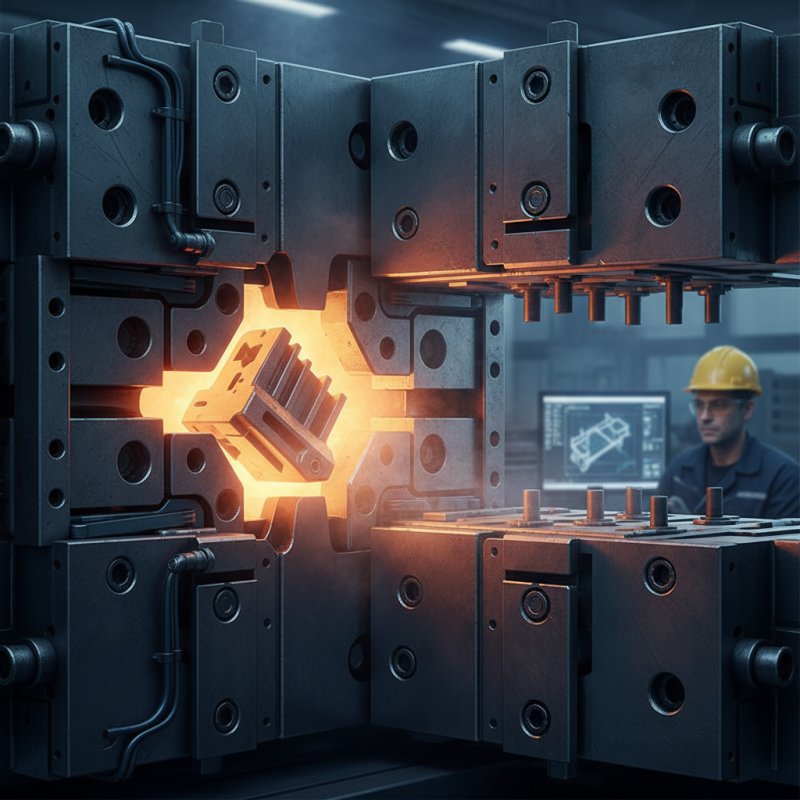
The main parts of die casting molds include the die, ejector pins, and cooling channels. The die forms the outer shape of the product. It is typically made from durable materials to withstand high pressure. Ejector pins help remove the cast part after cooling. They play a crucial role in preventing damage during the extraction. Cooling channels ensure that the molten metal solidifies uniformly. Proper temperature control is vital for achieving quality.

However, the design of these components can be challenging. A poorly designed mold can lead to defects in the finished product. It's crucial to consider factors like shrinkage and thermal expansion. Each component must work in harmony for optimal results. Adjustments may be necessary based on the specific requirements of each job. This often involves trial and error. Getting it right the first time is not always possible.

The Die Casting Process: Step-by-Step Overview

Die casting is an important manufacturing process used to create metal parts. The process begins with the creation of a die. A die is a specialized mold made from steel. It is often designed to withstand high pressure and repeated use. The quality of the die impacts the final product significantly. According to recent industry data, around 80% of the die casting process's success relies on the precision of the mold design.

Once the die is ready, the die casting process advances to injecting molten metal into the mold. This is done under high pressure. The metal solidifies quickly, allowing for rapid production. In fact, cycle times can be as short as 15 seconds. However, issues can arise. For instance, if the temperature isn’t properly controlled, defects may occur. Reportedly, about 30% of castings face quality control issues, highlighting the need for meticulous oversight.

After the metal cools, the die opens, and the part is ejected. This process can seem simple, but it requires careful timing and expertise. Any delay or miscalculation can lead to errors. Advanced technologies have improved die casting, but imperfections still challenge manufacturers. Ongoing analysis and optimization of the process are essential for maintaining efficiency and quality.

Types of Die Casting Molds: Hot Chamber vs. Cold Chamber

Die casting molds are essential tools in manufacturing. They help create complex shapes with high precision. There are two primary types of die casting molds: hot chamber and cold chamber. Each type has unique characteristics and applications.

Hot chamber die casting uses molten metal from a chamber. It is ideal for low-melting alloys like zinc. This process allows for quick cycles and lower production costs. However, not every metal can be used in this method. The heat can affect the mold's lifespan. This heating issue is a significant drawback.

Cold chamber die casting, on the other hand, requires a different approach. The molten metal is poured into the chamber from a separate furnace. This method is suitable for high-melting alloys, like aluminum. Cycle times are longer, but the molds can endure extreme conditions. Yet, it might lead to higher energy costs. Choosing the right mold type is essential for effective production, but it is not always straightforward. Considerations like metal type, production speed, and costs must be balanced carefully.

What Are Die Casting Molds and How Do They Work?

Mold Type Process Materials Used Best For Advantages Disadvantages
Hot Chamber Molten metal is injected into the mold from a chamber that is kept hot. Zinc, Magnesium, and Lead Alloys High-volume production of small, intricate parts Faster cycle times, excellent surface finish Limited to low melting point metals, potential contamination from molten metal
Cold Chamber Molten metal is prepared in a separate furnace and is then injected into the mold. Aluminum, Copper, and Brass Alloys Production of larger parts or higher melting point metals Ability to work with a wider range of metals, less metal oxidation Slower cycle times, increased operational complexity
Die Construction The mold is made from hardened steel and designed for repeated use. Steel, Aluminum Durability and longevity of molds Robust, suitable for high volume production Higher initial costs, longer production time for die creation

Key Factors Influencing Die Casting Mold Design and Performance

Die casting molds are essential in the manufacturing industry. Their design and performance directly influence the final product's quality. Several key factors come into play. Material choice is crucial. High-quality steel molds last longer, but they are expensive. A balance between cost and durability must be achieved. Some manufacturers opt for aluminum, which is cheaper but may not withstand high pressure.

Temperature control during the casting process impacts mold performance. Effective cooling channels are vital. Rapid cooling can lead to defects, such as warping or cracking. Some reports indicate that improper temperature management can decrease yield rates by up to 20%. This highlights the need for precise engineering to avoid unnecessary losses.

Design complexity is another factor affecting mold performance. Complex shapes may require intricate molds, increasing production time and costs. However, simple designs can limit product capabilities. Striking a balance is necessary. Regular assessments of mold wear and performance are vital for continuous improvement. The industry must acknowledge these challenges to enhance die casting processes effectively.