How to Choose the Best Polyurethane Screen Panel for Your Needs?
When it comes to choosing a Polyurethane screen panel, understanding your specific needs is crucial. Polyurethane screen panels are vital in various industries due to their durability and efficiency. However, selecting the right one can be challenging. Many factors come into play, including material quality, size, and application.
It’s essential to assess the environment where the panel will be used. Different settings may require panels with distinct properties. For instance, high-impact areas may need more robust options, while finer screening applications may demand a different approach. Often, users overlook these details, leading to poor performance or premature wear.
Additionally, consulting experts can significantly improve your decision-making process. Their experience can help you avoid common pitfalls. However, not all advice may fit your particular situation. Always be cautious and consider multiple viewpoints before making a final choice. Choosing the best polyurethane screen panel requires a blend of knowledge, experience, and careful consideration.
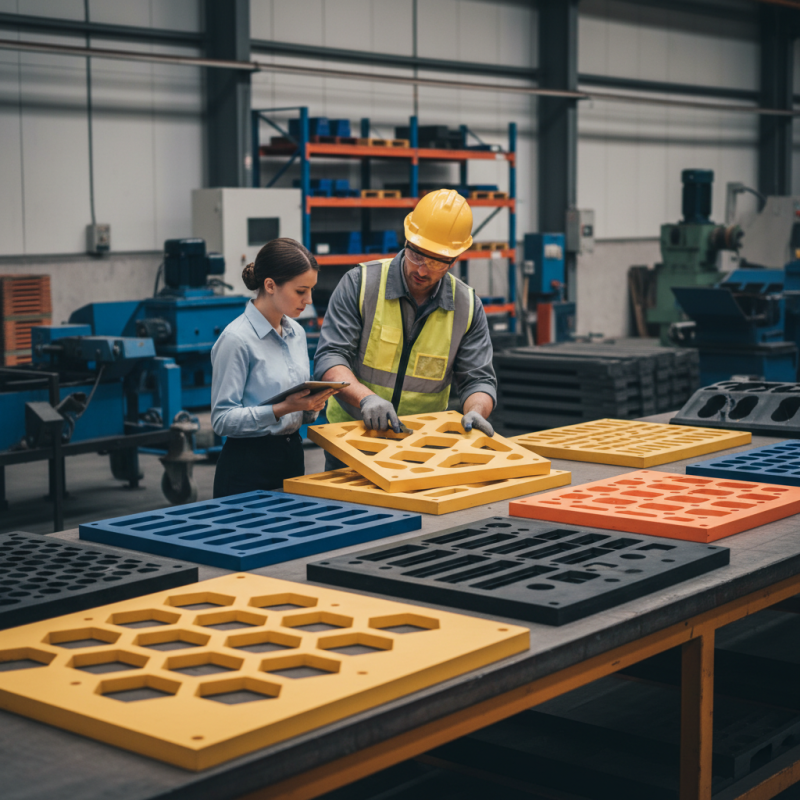
Factors to Consider When Choosing Polyurethane Screen Panels
Choosing the right polyurethane screen panel can greatly impact your operational efficiency. There are several essential factors to consider when making your decision. Begin by assessing the material's durability. Polyurethane offers excellent resistance to wear and tear. Consider the operating environment as well. High-pressure and high-temperature settings may call for specialized panels.
Another critical aspect is the mesh size. A smaller mesh provides better separation of fine materials. Larger mesh sizes allow for faster throughput. Pay attention to the panel’s dimensions as well. Proper fit ensures optimal performance and minimizes waste.
Maintenance requirements should not be overlooked. While polyurethane panels generally offer reduced maintenance, it’s crucial to understand care instructions. Some panels might require periodic cleaning or inspection. Researching these aspects helps prevent unexpected downtime. Balancing these factors can lead to a more satisfactory choice, aligning the screen panel with your unique needs. Don’t rush your decision; reflect on how each factor impacts your operations.
Types of Polyurethane Screen Panels Available in the Market
When it comes to polyurethane screen panels, various types are available. Each type serves specific purposes and functions. Common panels include:
- Modular screens: Versatile and can be easily replaced.
- Flat screens: Provide a smoother surface for enhanced material flow.
- High-wear screens: Designed for heavy-duty applications, offering resilience against abrasive materials.
Selecting the right type depends on your operational needs. For example, if you're dealing with fine materials, flat screens might be ideal. Conversely, for harsh conditions, high-wear screens would be more reliable. It's essential to evaluate the specific characteristics of your materials and the processing environment. Many users overlook the importance of mesh size. A mismatch can lead to inefficiencies and increased costs.
Remember, the choice of screen panel affects productivity. Investing in the correct type can reduce downtime and maintenance. However, making this decision requires understanding your operational nuances. Don't rush the selection process. Take time to assess various options to ensure the best fit for your needs.
Assessing Your Specific Screening Needs and Applications
When assessing your specific screening needs, several factors come into play. Consider the material being screened. Different materials require distinct screen properties. For instance, sand and gravel operations can benefit from greater elasticity. In contrast, industries handling finer particles may need tighter openings. According to industry reports, over 70% of screening challenges stem from incorrect panel selection.
It’s also essential to evaluate the operating environment. If your materials are abrasive, a more durable panel is necessary. Many reports indicate that using the right polyurethane can significantly reduce wear rates, increasing panel lifespan by up to 40%. Examine factors such as temperature fluctuations and exposure to chemicals. These elements are key in choosing the right screen type.
**Tips:** Always consult with experts to identify the best fit. Collect data on how similar operations have succeeded. Testing panels before full implementation can save time and resources. Regularly review your screening needs to adapt to changing materials and conditions. Reflecting on past selections also helps refine your criteria for future purchases.
Polyurethane Screen Panel Selection: Key Considerations
This chart illustrates the importance ratings of various factors when choosing polyurethane screen panels. Durability and application type are rated highest, indicating their critical role in the selection process.
Understanding Durability and Maintenance Requirements
Choosing the right polyurethane screen panel involves understanding its durability and maintenance. Polyurethane screens are known for their toughness and flexibility. Research indicates these screens can last up to three times longer than traditional materials. Their resistance to wear and tear makes them ideal for heavy-duty applications.
However, durability is not just about material strength. It also relates to how well the panels are maintained. Regular inspections are crucial. Reports suggest that neglecting maintenance can reduce a panel's lifespan significantly. Simple cleaning routines can prevent clogging and ensure optimal performance.
Moreover, environmental factors play a role. UV exposure and temperature fluctuations can affect the panel's integrity. Facilities in extreme conditions may find their screens degrading faster. Understanding these factors allows for informed decisions. Choosing the right maintenance schedule is as vital as selecting durable materials.
Comparing Cost and Performance of Different Polyurethane Options
When selecting polyurethane screen panels, it’s essential to weigh both cost and performance. Not all panels are created equal. Some may be more affordable but offer lower durability. Others might promise longevity but come at a high price.
Testing various options can provide deeper insight. Consider a panel's thickness and density. Thicker panels tend to last longer, yet they can be pricier. Density directly impacts how well a panel can handle abrasive materials without degrading.
**Tips:** Always evaluate the environment where the panel will be used. Will it face high temperatures or chemicals? Your specific needs will guide your choice. Seek feedback from those who have experience with different options. Real-world observations can significantly influence your decision.
Remember, staying within budget is important, but investing in the right panel can save you costs in the long run. Sometimes, it's wiser to spend a little more initially for greater durability and efficiency. Keep in mind, trial and error is a part of the selection process. Learn from your experiences with various panels to refine your future choices.
How to Choose the Best Polyurethane Screen Panel for Your Needs?
| Type | Cost per Square Meter ($) | Durability (Years) | Flexibility Rating (1-10) | Particle Size (Microns) |
|---|---|---|---|---|
| Standard Polyurethane | 50 | 5 | 7 | 150 |
| High-Density Polyurethane | 75 | 10 | 9 | 100 |
| Eco-Friendly Polyurethane | 60 | 7 | 8 | 120 |
| Wear-Resistant Polyurethane | 90 | 12 | 6 | 80 |
| Multi-Layer Polyurethane | 85 | 8 | 10 | 110 |