How to Choose the Best Piston Filler for Your Business?
Choosing the right Piston Filler can greatly impact your business’s efficiency and product quality. According to a recent report by the Packaging Machinery Manufacturers Institute, choosing the right equipment can improve production speed by up to 25%. This is a significant increase, especially for companies looking to maximize their output. Industry expert, John Smith, emphasizes, "Selecting an efficient piston filler can enhance your operational productivity."
Piston fillers are essential for precise liquid filling. They are widely used in various sectors, including food and beverage, pharmaceuticals, and cosmetics. The right piston filler can ensure consistent fill levels. This consistency is vital for maintaining product quality and consumer trust. However, finding the best option can be challenging. Different models cater to varying product viscosities and production speeds.
It's important to analyze your specific needs. Factors like budget, production volume, and liquid characteristics come into play when making a decision. Understanding these aspects can lead to the right choice of piston filler. Many businesses overlook these criteria, leading to suboptimal performance. Therefore, take the time to evaluate each piston filler carefully. Your choice can significantly influence your profitability and brand reputation in the long run.
Identifying Your Business Needs for Piston Fillers
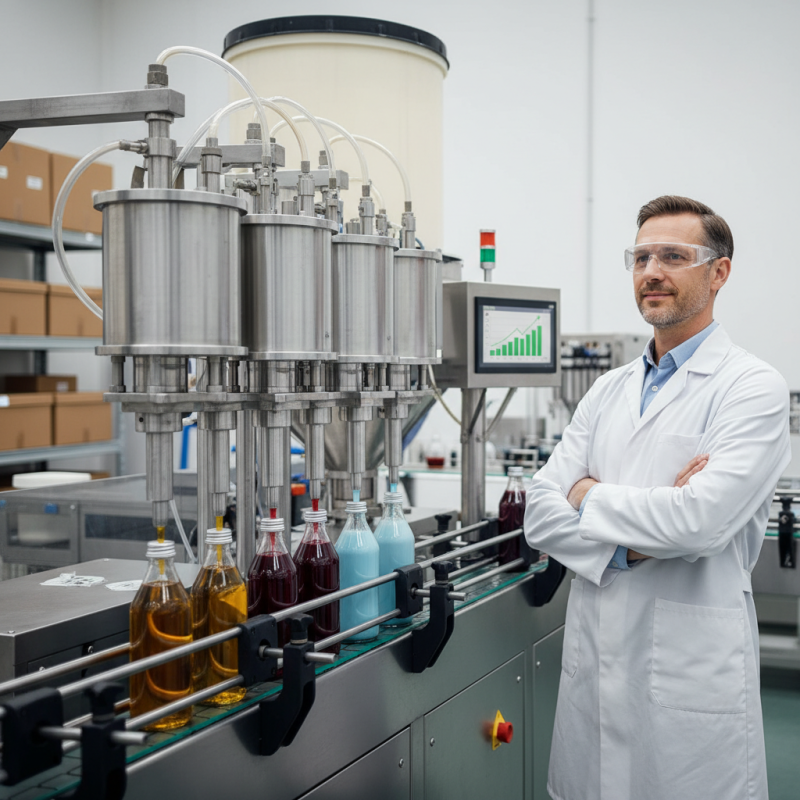
Identifying the specific needs of your business is crucial when selecting a piston filler. For instance, the production volume is a key factor. A report from a leading industry analysis group suggests that businesses with higher outputs should consider machines that provide speed and efficiency. Companies producing over 100 bottles per minute often require advanced systems that can handle variations in viscosity.
Another vital aspect is the type of product being filled. A survey indicated that approximately 70% of manufacturers faced challenges related to product consistency. This means businesses should evaluate if their product is thin or thick. The right piston filler can accommodate both types by offering adjustable filling volumes. Understanding these characteristics will help in choosing equipment that prevents waste and maintains quality.
Finally, consider the space available in your facility. Many manufacturers overlook the footprint of the equipment. A study revealed that around 40% of operational issues are related to insufficient workspace. Assessing your layout ensures that you select a piston filler that fits comfortably while allowing for maintenance access. Balancing these needs will lead to a more effective and efficient production line.
Choosing the Right Piston Filler for Your Business
Understanding Different Types of Piston Fillers Available
When selecting a piston filler, understanding the different types available is essential. Piston fillers are broadly classified into two categories: air-operated and electric-operated. Air-operated piston fillers are cost-efficient and typically easier to maintain. They excel in filling a wide range of products, from viscous liquids to thick pastes. Industry reports suggest they can increase production rates by up to 25% in certain applications. However, they may introduce air into the product, which can affect quality.
Electric-operated piston fillers, on the other hand, provide precision and control. They often have adjustable speeds and are ideal for products requiring consistency. These fillers are increasingly popular, especially in sectors like pharmaceuticals and cosmetics. Statistical data indicates that the electric variant has experienced a 10% growth rate in adoption over the last five years. Yet, they usually come at a higher initial investment, which might deter some businesses.
It's also worth noting that both types have their specific benefits and drawbacks. For instance, an air-operated filler may struggle with high-viscosity products, while electric fillers may require more training for operators. Assessing your product’s characteristics and production needs will guide your choice. Selecting the wrong type could lead to production delays or quality issues.
Key Features to Consider in a Piston Filler
When selecting a piston filler for your business, there are some key features to keep in mind. The filling speed is crucial. A faster machine can mean higher efficiency and increased output. However, you must balance this with the accuracy of the filling. Precision is important. An inaccurate fill can lead to waste and customer dissatisfaction.
Another feature to consider is the ease of cleaning and maintenance. A filler that requires complicated disassembly can hinder daily operations. Opt for designs that allow for quick access to internal components. This ensures you spend more time producing and less time maintaining.
**Tip:** Always prioritize user-friendly controls. Intuitive interfaces can reduce training time for employees.
Don’t overlook the versatility of the machine. Some businesses require fillers that can handle various viscosities. Higher flexibility helps in adapting to different product lines.
**Tip:** Check feedback from other users. Real-world insights can highlight both strengths and weaknesses of different models.
In your search, remember that no machine is perfect. Test multiple options to find the right fit for your unique needs.
How to Choose the Best Piston Filler for Your Business? - Key Features to Consider in a Piston Filler
| Feature | Description | Importance Rating | Price Range |
|---|---|---|---|
| Capacity | The volume of product that the filler can handle in one go. | High | $1,000 - $5,000 |
| Material Compatibility | Ability to fill various types of liquids, creams, or pastes. | Medium | $800 - $4,500 |
| Ease of Use | User-friendly controls and setup process. | High | $1,200 - $5,200 |
| Maintenance Requirements | Frequency and simplicity of maintenance needed. | Medium | $1,000 - $3,000 |
| Speed | Filling speed measured in containers per minute. | High | $1,500 - $6,000 |
| Size and Dimensions | Footprint of the machine to fit your production space. | Low | $900 - $4,000 |
| Automation Level | Degree of automation and control options available. | Very High | $2,000 - $10,000 |
Evaluating the Cost-Effectiveness of Piston Fillers
When evaluating the cost-effectiveness of piston fillers, consider upfront costs versus long-term benefits. Choosing the right machine can significantly affect production efficiency. A reliable piston filler can save money in materials and labor. However, it's essential to analyze your specific needs before making a purchase.
Tips: Calculate total ownership costs, including maintenance and repairs. Understand your production volume to find a machine that meets your demands. A cheaper machine may lead to higher costs in the long run, due to downtime and inefficiency.
Quality and reliability are crucial in piston fillers. Look for models that require less frequent repairs to save time and money. While exploring options, it's important to reflect on the long-term investment. Sometimes, spending a little more upfront can lead you to greater savings down the line. Evaluate testimonials and seek expert opinions to ensure you're making a sound decision.
Researching Manufacturer Reputation and Support Services
When selecting a piston filler, understanding the manufacturer’s reputation is crucial. A solid reputation often reflects years of reliable service and quality products. Research online reviews and testimonials from existing customers. This can provide insights into the durability and effectiveness of the fillers. Additionally, consider seeking opinions from industry peers. Their experiences can highlight potential pitfalls or advantages you may overlook.
Support services offered by the manufacturer are equally important. Look for companies that provide comprehensive training and clear operational guidelines. Having accessible customer service can make a significant difference during installation and troubleshooting. Consider how quickly the manufacturer responds to inquiries. A slow response time can hinder your production. Equally, ensure they have readily available replacement parts. This can minimize downtime during maintenance.
Pay attention to the manufacturer’s warranty terms. A strong warranty can be a sign of confidence in their products. However, don’t be swayed by promises alone. Investigate how many claims they honor. Previous customers’ experiences can reveal the true reliability of their support system. A less favorable reputation might indicate hidden issues. This reflection can guide you in making a more informed decision.