
How to Choose the Best Commercial Beer Storage Solutions?

Choosing the right Commercial Beer Storage solutions is crucial for every business in the beverage industry. Proper storage affects both the quality and the customer experience. The best systems ensure your beer is kept at optimal temperatures, maintaining its flavor and freshness.

When selecting commercial beer storage, various factors come into play. Consider space constraints and the volume of beer you need to store. A well-organized storage facility minimizes waste and maximizes efficiency. Investing in quality storage units not only protects your product but also enhances your reputation.

Many businesses overlook the importance of regular maintenance. An improperly maintained storage system can lead to spoilage and financial loss. Regular assessments and upgrades to your storage solutions will keep your inventory in top condition. Reflecting on your choices ensures you provide the best to your customers, while also safeguarding your investment in commercial beer storage.
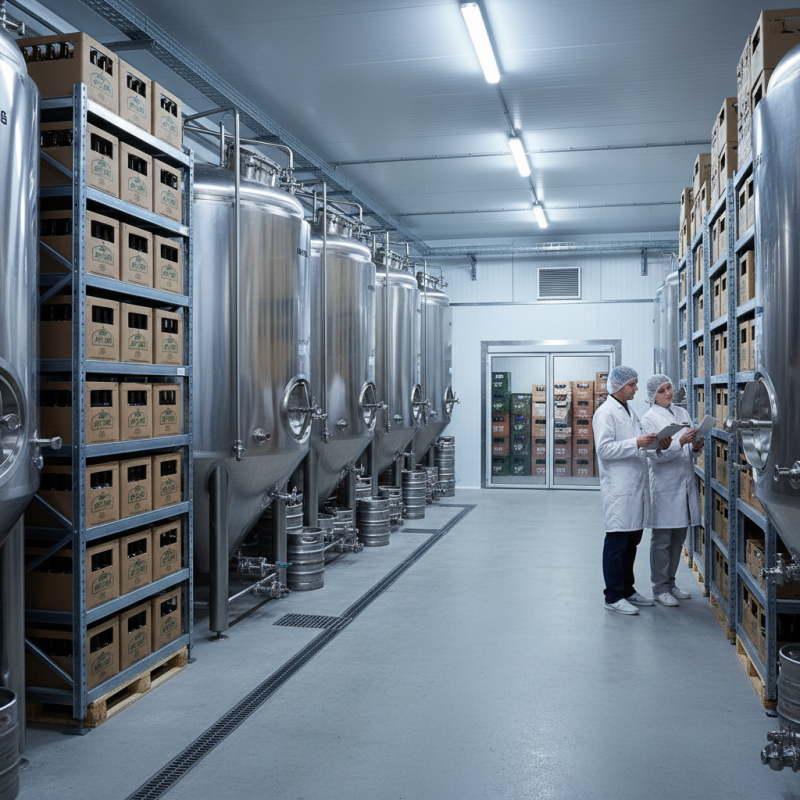
How to Choose the Best Commercial Beer Storage Solutions?

Understanding the Importance of Proper Beer Storage Solutions

Proper beer storage is essential for maintaining flavor and quality. Beer is sensitive to temperature changes and light exposure. An optimal environment preserves its unique characteristics. Temperature fluctuations can spoil a brew, leading to off-flavors. Thus, consistent cooling is crucial.

Many factors influence beer storage decisions. Consider the type of beer being stored. Lighter beers require more attention to light exposure. Dark ales may handle ambient light better. Shelves designed for proper airflow can enhance preservation. Avoid overcrowding; it hampers airflow and increases heat retention.

Reflecting on storage practices can reveal areas needing improvement. Check existing setups regularly. Assess whether they meet beer storage standards. Are you utilizing dedicated refrigeration? The right conditions can enhance customer experience. Proper storage is not merely a suggestion; it is a necessity for every establishment serving beer.

Types of Commercial Beer Storage Options Available

When selecting commercial beer storage options, it's essential to consider various types available. Each type serves a unique purpose, catering to different business needs. Refrigeration units are popular for keeping beer cold. They come in various sizes, allowing flexibility for different spaces. However, not all units maintain consistent temperatures. This can be a problem for beer quality.

Another option is insulated keg coolers. These are designed to hold kegs and maintain their ideal temperatures. They can be more energy-efficient compared to traditional refrigerators. Yet, the initial cost may deter some businesses. Proper maintenance is crucial to ensure they function effectively over time.

Lastly, consider brewpubs. They often utilize taprooms that showcase the beer they store. This encourages customer engagement. However, insufficient storage can lead to stock shortages. Balancing display and storage is vital to avoid frustration. Every choice impacts not only the beer quality but also customer satisfaction.

How to Choose the Best Commercial Beer Storage Solutions? - Types of Commercial Beer Storage Options Available

Storage Type Description Temperature Range (°F) Capacity (Gallons) Ideal For
Kegerators Compact beer refrigerators with taps for serving draft beer. 32 - 45 5 - 15 Bars, restaurants, and home use.
Beer Coolers Refrigerated units for storing beer bottles and cans. 35 - 50 10 - 30 Retail settings and events.
Draft Beer Systems Complex systems to chill and dispense beer directly from kegs. 32 - 38 15 - 50 Restaurants and bars with high draft beer demand.
Walk-in Coolers Large storage spaces for substantial quantities of beer. 30 - 40 100+ Breweries, warehouses, and distribution centers.
Beer Cellars Controlled environments for aging and storing specialty beers. 45 - 55 10 - 50 Craft breweries and specialty retailers.

Factors to Consider When Choosing Beer Storage Solutions

When selecting commercial beer storage solutions, several key factors come into play. The temperature of the storage is critical. Beer needs to be kept cool, typically between 35°F to 55°F. Fluctuations can alter its taste and quality. Insulation and cooling systems must be reliable.

Consider the capacity of your storage solution. How much beer do you plan to store? Be mindful of space limitations and how often you will replenish stock. Solutions that are too large can waste energy, while those that are too small may lead to frequent restocking. Think about the layout as well. A well-organized storage area can streamline your operations.

Accessibility is another important factor. Ensure that your storage system allows easy access to your products. It can be frustrating for staff if they cannot reach the desired beer quickly. It may affect service time and customer satisfaction. Additionally, look at the materials used in the storage unit. They should protect the beer from light and ensure it remains fresh. Carefully reflecting on these elements will guide you in making an informed decision.

Evaluating Space Requirements for Beer Storage

When evaluating space requirements for beer storage, several key factors come into play. Understanding the type and volume of beers you plan to store is essential. Craft beers may require more space due to varied packaging. Lagers and ales can be stored more compactly. Assessing your inventory helps determine how much space you need. A well-organized layout allows for efficient access.

Take into account the dimensions of your storage area. Note ceiling heights, door widths, and any obstacles. This ensures you can fit all necessary equipment. Not all storage solutions will work in every environment. Some setups may look great on paper but feel cramped in practice. It's crucial to visualize the space with all equipment in place.

Consider temperature control as well. Different beers thrive at different temperatures. Ensure you’ve accounted for air circulation within the storage area. Stale beer can result from improper airflow. The goal is to protect your investment while maximizing your space. Reflecting on past experiences can help avoid those mistakes again. Your aim is an efficient, reliable storage solution.

Maintenance and Management of Beer Storage Systems

When managing beer storage systems, attention to detail is key. Ensuring your storage area is clean and organized can help you avoid spoilage. Regularly check temperatures to keep your beer at optimal levels. An inconsistent temperature can affect quality, leading to unsatisfactory results. Aim for a temperature range conducive to the specific type of beer you store.

Routine maintenance is also crucial. Inspect your storage facility for any signs of moisture or pests regularly. These issues can compromise the integrity of your beer. Consider simple solutions like dehumidifiers or air purifiers to maintain a stable environment. Utilize clear labeling for easy access and stock rotation. Sadly, neglecting such practices can lead to wasted inventory, which is costly.

Training your staff on proper handling techniques can further enhance storage management. Simple mistakes can lead to quality degradation. A lack of careful handling can cause bottles to break or cans to dent, impacting the product. Engaging staff in ongoing education promotes mindfulness and responsibility in beer storage management.