Top 10 Benefits of Using Lathe and Milling Machine for Buyers?
In the world of precision engineering, the Lathe and Milling Machine stand out. They are key tools for many buyers. These machines enhance productivity and ensure accuracy. Investing in these technologies can lead to significant benefits.
Lathe and Milling Machines offer versatility. They can shape materials with great precision. For buyers, this means the ability to handle various projects. However, some may overlook the importance of training. Understanding how to operate these machines is crucial.
Moreover, the costs can be daunting. Buyers need to weigh their options carefully. While these tools can improve efficiency, initial investments can be high. Thus, potential users must reflect on their long-term needs. Embracing technology in machining is vital, but it requires thoughtful consideration.
Understanding the Lathe and Milling Machine Basics and Functions
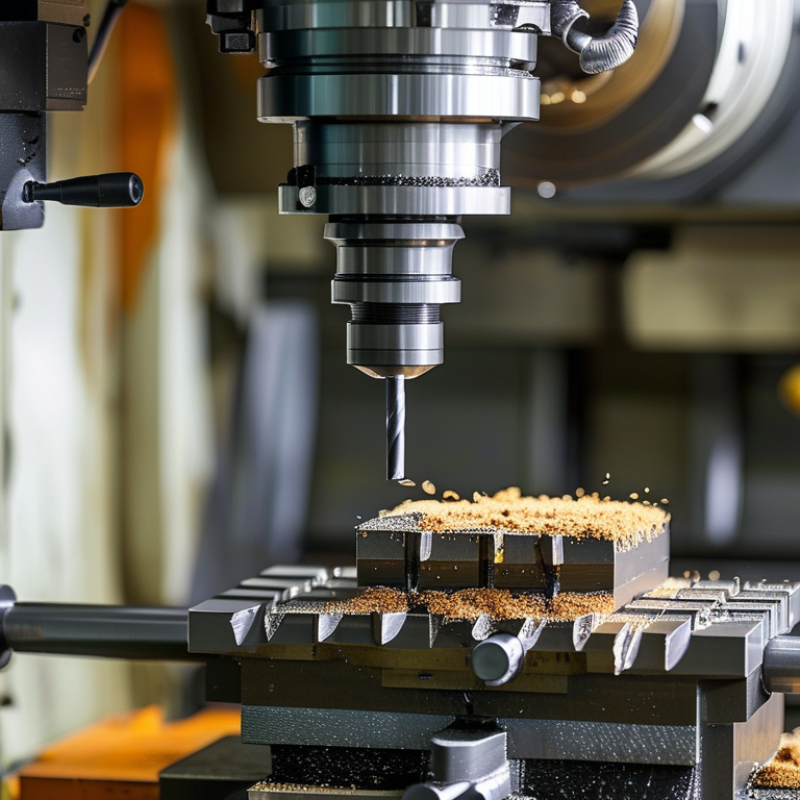
Understanding the basics of lathe and milling machines is essential for anyone involved in machining. A lathe is primarily used for shaping materials by rotating them against a cutting tool. It allows for precise control over the dimensions and finish of the workpiece. Common tasks include turning, drilling, and threading, which can be applied to a variety of materials.
Milling machines, on the other hand, excel at producing complex shapes. They work by moving a stationary workpiece against a revolving cutting tool. This allows for intricate designs and detailed features that lathes may struggle to achieve. Operators can adjust the speed and feed rate, ensuring high-quality results.
Despite these advantages, both machines require skill and practice to use effectively. Beginners may face challenges in setting up fixtures and understanding feeds and speeds. Mistakes can lead to wasted material or compromised workpieces. It’s crucial to approach these tools with respect and an eagerness to learn. Each project offers a chance to hone skills and improve techniques.
Top 10 Benefits of Using Lathe and Milling Machine for Buyers
| Benefit | Description | Applications |
|---|---|---|
| Precision | Allows for high levels of accuracy in manufacturing parts. | Aerospace, automotive, and medical device manufacturing. |
| Versatility | Capable of performing a variety of machining operations. | Custom machining projects and prototyping. |
| Efficiency | Reduces machining time with automated processes. | Mass production of components. |
| Cost-Effectiveness | Lowers manufacturing costs by increasing output. | High-volume production runs. |
| Durability | Machines are built to last, reducing replacement costs. | Industrial applications requiring heavy use. |
| Ease of Use | User-friendly controls for better operator efficiency. | Training programs for new operators. |
| Material Variety | Can handle different materials from metal to wood. | Multiple industries including furniture, construction, and manufacturing. |
| Reduced Waste | Minimizes waste material during production. | Sustainable manufacturing practices. |
| Increased Flexibility | Can be adapted for different projects quickly. | Custom tooling and projects. |
| Skill Development | Enhances machinists' skills in precision and automation. | Training and development in manufacturing sectors. |
Enhanced Precision and Accuracy in Machining Processes
Precision and accuracy are paramount in the machining industry. Lathe and milling machines play a vital role in achieving these goals. With their advanced technology, they ensure tight tolerances and high-quality finishes. This level of precision is essential for creating parts that fit perfectly together. When machining components, even a small error can lead to significant issues in assembly and functionality.
Using these machines significantly reduces the margin for error. The design of lathe and milling machines allows for exact specifications to be met consistently. This includes controlling feed rates, depth of cuts, and spindle speeds. Inexperienced operators may overlook some settings, causing variations. Thus, thorough training is essential to maximize the benefits. Attention to detail is crucial in every step of the machining process.
Investing in these machines can also boost productivity. It’s not just about speed—it's about doing it right. Craftsmen and manufacturers must always reflect on their techniques. Continuous learning is necessary to maintain that accuracy. The benefits from the enhanced precision can lead to higher customer satisfaction and fewer costly mistakes. Passion and dedication to the craft will always shine through in the finished product.
Improved Efficiency and Productivity for Buyers
Lathe and milling machines have become essential in modern manufacturing. They significantly enhance efficiency and productivity for buyers. According to a recent industry report, integrating automated machines can improve production rates by up to 40%. This efficiency is crucial in a competitive market, where time is money. Buyers who invest in advanced machinery tend to see a rapid return on investment, often within a year.
Moreover, these machines allow for precise machining tasks, which minimizes waste. A study indicated that manufacturers using CNC milling can reduce material loss by 30% compared to traditional methods. However, it is important to recognize that not all operations are suited for automation. Some tasks may still require skilled labor, which poses its own set of challenges. Balancing technology with human expertise is vital for optimal results.
Implementing lathe and milling machines can also streamline workflow. Reports show that companies adopting these technologies often experience a 25% reduction in production time. While this sounds promising, it requires a thoughtful integration strategy. Over-reliance on machines can lead to skills gaps among the workforce. Thus, understanding the capabilities and limitations of these machines is essential for those looking to improve their operational effectiveness.
Top 10 Benefits of Using Lathe and Milling Machine for Buyers
Versatility in Material Handling and Complex Designs
The versatility of lathe and milling machines is remarkable. These machines can handle various materials, from wood to metals. This adaptability allows manufacturers to create complex designs that might seem impossible with other tools. By using advanced techniques, intricate patterns and shapes can come to life. This is especially beneficial in industries that require precision, like aerospace and automotive.
However, working with diverse materials isn’t always straightforward. Each type of material has unique properties that can challenge operators. For example, softer materials may chip easily while harder ones require more power and precision. Understanding how to navigate these challenges is essential for maximizing machine performance. Operators must often experiment and adjust to achieve the best results.
The ability to create complex designs also has its drawbacks. High intricacy can lead to longer production times and increased costs. A balance must be struck between design and efficiency. Continuous learning is crucial, as technologies and techniques evolve. This can sometimes lead to frustration, but it is part of the growth process. Emphasizing skill development can ensure that lathe and milling machines remain invaluable assets in manufacturing.
Cost-Effectiveness for Long-Term Manufacturing Solutions
Investing in lathe and milling machines can be a game-changer for manufacturers. These machines offer remarkable cost-effectiveness for long-term manufacturing solutions. When properly utilized, they enhance production efficiency. This translates into reduced operational costs over time. Each precise cut reduces waste, saving valuable materials. The ability to create complex parts quickly is a significant advantage.
Moreover, these machines can be adapted easily to various manufacturing needs. Businesses can shift from one project to another without incurring hefty setup costs. This flexibility is crucial in today's fast-paced market. However, there is a learning curve. Operators need proper training to maximize machine potential. Poor training can lead to mistakes and increased expenses.
Another factor to consider is maintenance. Regular upkeep is essential for longevity. Neglected machines can incur high repair costs. It's vital for businesses to invest in skilled maintenance staff. Inadequate maintenance might seem cost-effective at first, but it leads to costly downtime. Embracing these machines requires a commitment to ongoing improvement and learning. Manufacturers can reap significant benefits when they properly address these challenges.
Related Posts
-
Ultimate Guide to Selecting the Right Tool Room CNC Mill for Your Manufacturing Needs
-
Top 10 CNC Machine Tools Every Buyer Should Consider?
-
Top 10 CNC Machine Tools from China for Global Buyers?
-
What are the Best Lathe Machines of 2026?
-
5 Proven Best Milling Equipment Options for Your Manufacturing Needs
-
7 Reasons Why CNC Machining Centers Are Essential for Modern Manufacturing Success